J.C Home Decor and Lighting Manufactory


Introduction
Understanding ceramic pot glaze variation helps home decor brands, importers, retail content teams, product developers, and designers separate visible design choices from details that still require product confirmation. The goal is to make a confident design or product-brief decision without inventing dimensions, materials, performance, or market suitability. By the end, you will have a practical way to define an acceptable visual range for color, pooling, texture, edge behavior, and batch communication without treating natural-looking variation as unlimited.
This guide uses direct comparisons, two fact checks, a topic-specific worksheet, and a final action checklist. It keeps Europe as the first market context and the United States second, while asking buyers to confirm product-specific packaging, labeling, electrical, care, and documentation needs where relevant.
The Topic in Brief
The clearest approach is to define an acceptable visual range for color, pooling, texture, edge behavior, and batch communication without treating natural-looking variation as unlimited. Begin with the real application instead of selecting a product from one attractive photograph. Then record the design relationship, product details, and confirmation points separately.
For collection teams, this distinction matters. A styling direction can guide shape, color, and assortment, but it cannot confirm material, construction, dimensions, electrical components, planting function, care, or packaging by itself.
Glaze variation means any difference is acceptable. False.
An acceptable range should be defined through samples, visible features, and agreed review criteria.
Several reference samples can be more useful than one. True.
A small range shows buyers how the finish may vary while preserving clear boundaries.
Describe Variation by Visible Feature
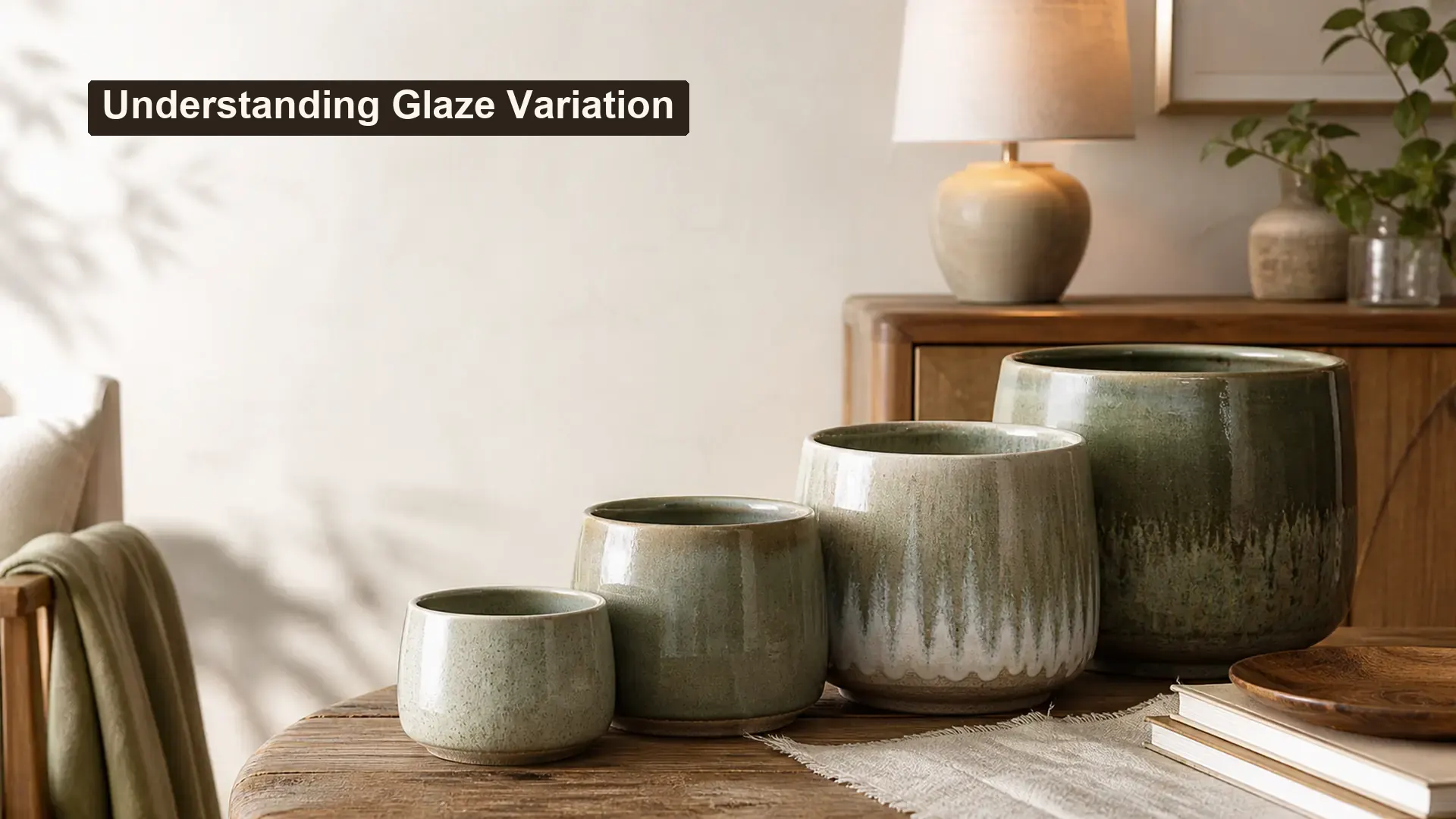
Glaze variation can appear as color movement, darker pooling, lighter edges, speckling, gloss change, or texture difference. A useful product brief names the visible features instead of using one broad word such as handmade.
Variation should be bounded. Buyers and suppliers need physical references, clear images, and agreed language that separates an acceptable range from a defect or unintended change.
| Application or option | Useful direction | What to confirm |
|---|---|---|
| Color movement | Light-to-dark change across the form | Approved range and viewing light |
| Pooling | Deeper tone in recesses or lower areas | Shape and glaze relationship |
| Edge change | Lighter or darker rim and relief | Expected location and intensity |
| Surface texture | Speckle, pinhole-like visual effect, or relief | Approved appearance versus defect |
Start with the Decorative Pots and the broader Decor collection to keep the article connected to the correct product taxonomy. Compare the visual direction with Products, V0536 decorative pot direction, and DSC0019 decorative pot direction. For product development, collection, or packaging context, use the DSC0018 decorative pot direction as a related planning resource. These links provide directions for review; they do not replace confirmed specifications for an individual model.
Build a Shared Approval Range
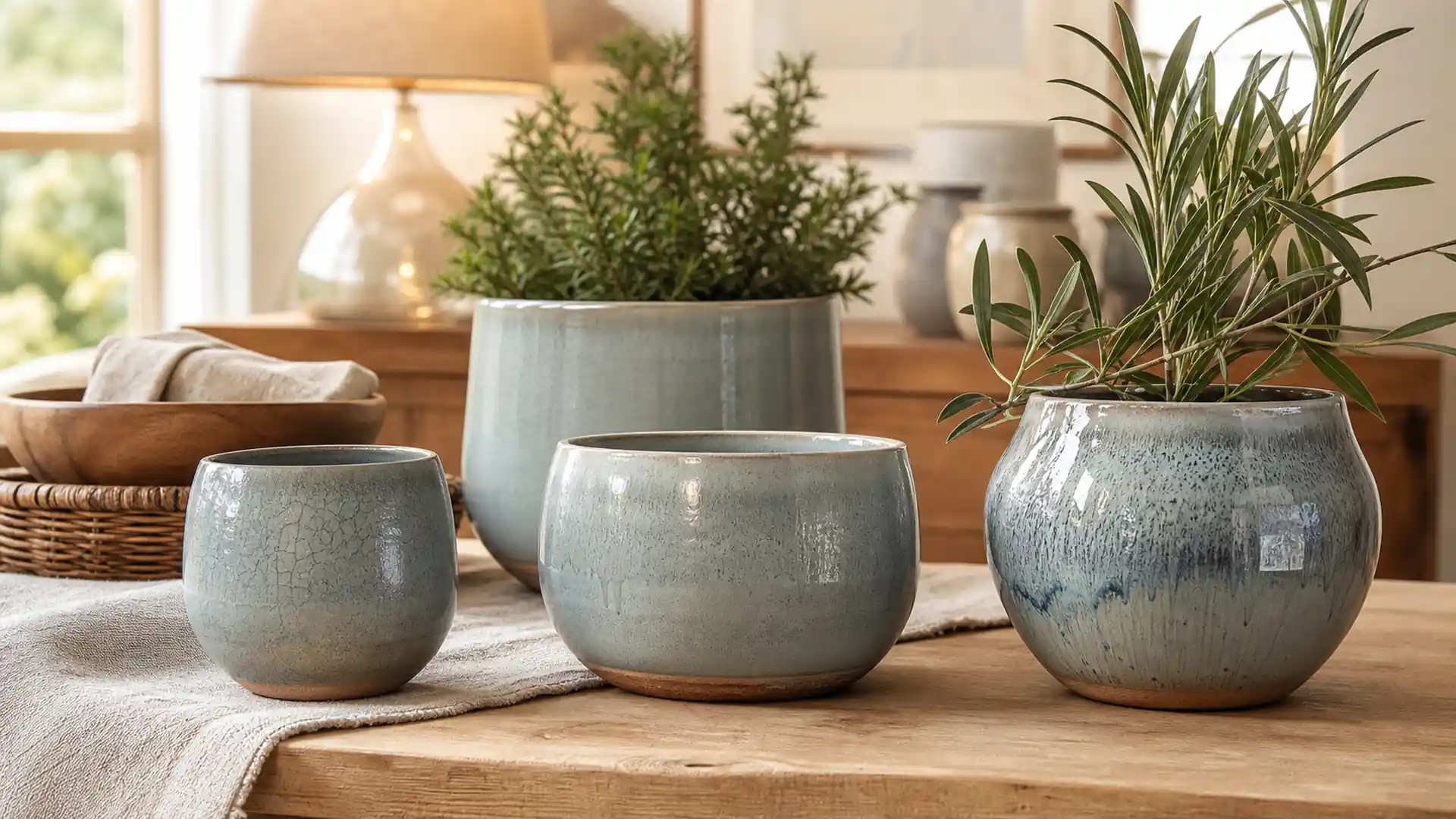
One perfect sample cannot represent every acceptable piece when variation is part of the finish. A better approach is to review a small range that shows the light, middle, and dark or low, typical, and high expressions.
The range does not guarantee every piece will be identical. It creates a more useful communication boundary for selection, photography, product copy, and later batch review.
| Palette or context | Product response | Planning note |
|---|---|---|
| Low expression sample | Subtle movement | Defines the quiet edge |
| Typical sample | Expected overall appearance | Main reference |
| High expression sample | Stronger but acceptable movement | Defines the expressive edge |
| Rejected example | Outside agreed appearance | Clarifies the boundary |
Screen images can define the final glaze range. False.
Lighting, camera settings, editing, and screen differences can change perceived color and gloss.
Product copy should name the visible kind of variation. True.
Specific language about pooling, speckling, edge change, or color movement is more useful than vague claims.
Practical Tool: Acceptable Glaze Variation Board
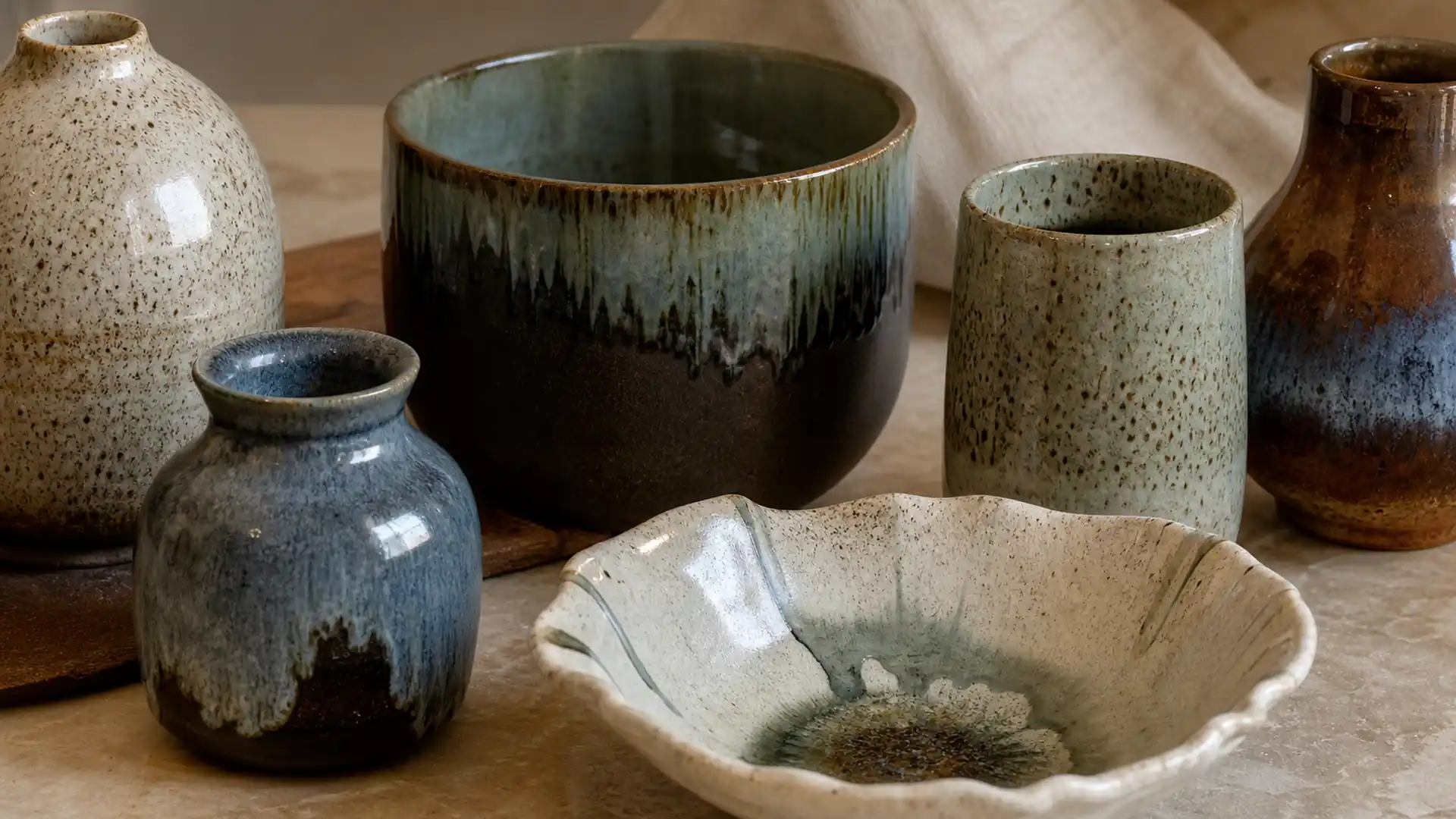
Use this tool during a room review, retail assortment meeting, or sample discussion. Complete every row with observable information. Leave uncertain specifications blank until product information or samples confirm them.
| Review area | Action | Expected result |
|---|---|---|
| Feature list | Color, pooling, edge, texture, gloss | Shared vocabulary |
| Range samples | Low, typical, and high expression | Visible boundaries |
| Viewing condition | Record daylight and display light | Repeatable comparison |
| Product copy | Explain natural-looking variation conservatively | Accurate customer expectation |
The tool is intentionally specific to ceramic pot glaze variation. It converts an inspiration image into a short decision record and makes it easier for design, merchandising, purchasing, and product teams to discuss the same direction.
From Visual Direction to a Confirmed Product Brief
A useful pot brief should record product category, dimensions, material description, color, finish, opening or shade details, visible hardware, care needs, packaging, target market, and any labeling or documentation questions. Custom options can be discussed based on product type and order requirements, but feasibility and final details must be confirmed.
Product copy must separate decorative use from direct planting. The Royal Horticultural Society states that containers used for growing plants need suitable drainage to help avoid waterlogging1. Penn State Extension also describes the relationship between a draining plant pot and a decorative outer container when houseplants are repotted2. These sources do not prove that a specific decorative pot is a planter.
Handling and care need equal attention. The Canadian Conservation Institute notes that ceramic objects are hard but brittle and can break, chip, or scratch under physical force during handling and display3. Its care guidance also recommends conservative handling and cleaning for decorated or uncertain ceramic surfaces rather than one universal cleaning method4. Product-specific care instructions should still be confirmed.
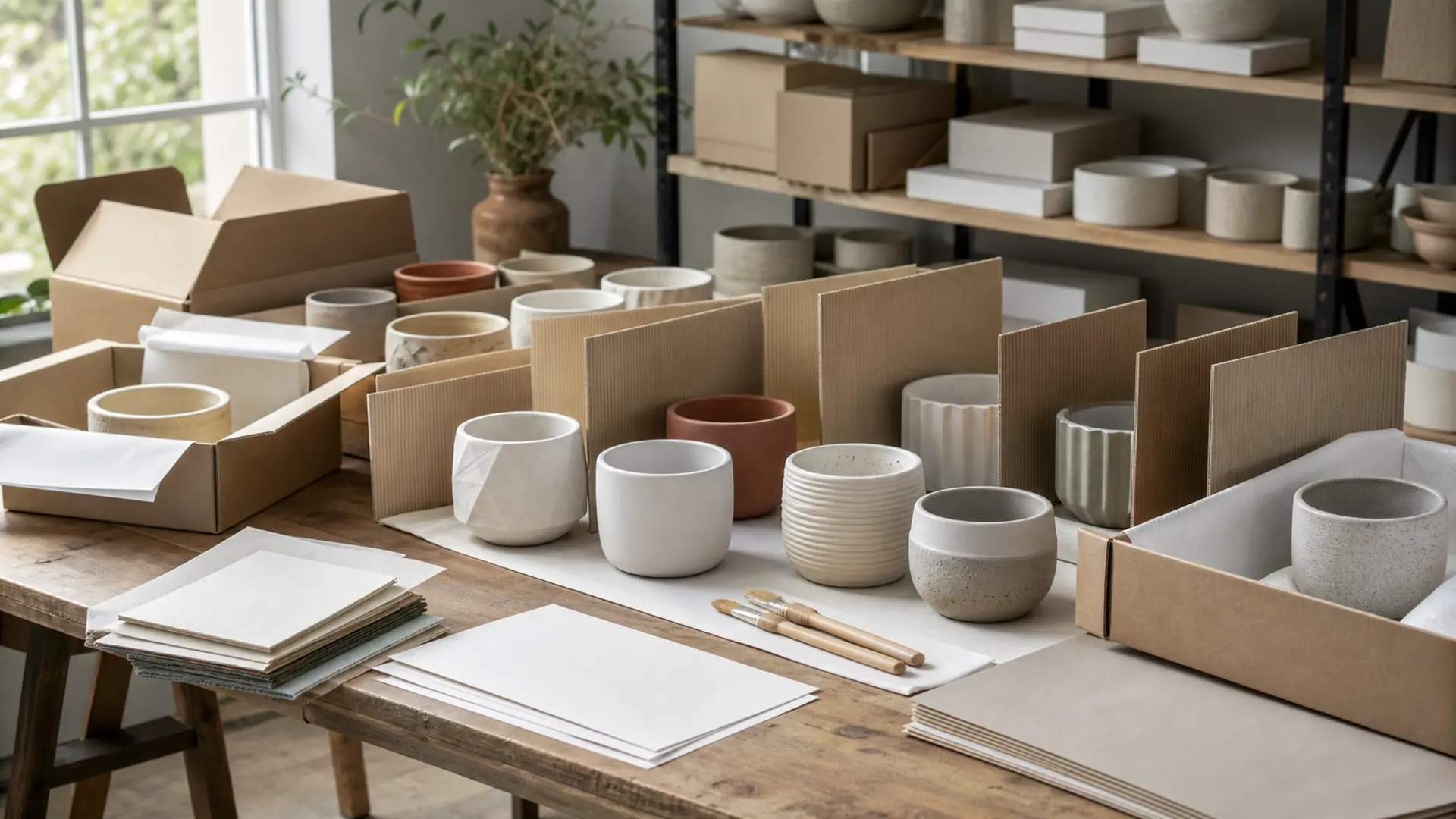
When the direction is ready for discussion, use Request a Quote and send the intended application, target market, product references, dimensions, finish direction, packaging needs, and open questions. Clear inputs make the next conversation more useful without implying a fixed price, quantity, delivery time, or result.
FAQ
Why does ceramic pot glaze variation happen?
Ceramic bodies, glaze application, form, firing, and finishing can influence appearance, but product-specific causes should not be assumed without evidence.
How much variation is acceptable?
The acceptable range should be agreed through representative samples and clear visual criteria.
Should one sample be the only approval standard?
For a deliberately varied finish, a small approved range can communicate expectations more accurately.
How should retailers describe glaze variation?
Use specific, conservative language that matches the approved product and avoids promising exact identity.
Can photographs replace physical samples?
No. Photographs support communication, but lighting and screens can change perceived color and gloss.
What should be recorded during sample review?
Record the feature, range, viewing light, sample identity, product form, finish description, and any rejected appearance.
Conclusion
Ceramic Pot Glaze Variation: A Practical Guide is most useful when visual inspiration leads to a clear record of application, proportion, finish, and confirmation points. Use the article as a design and communication guide, then confirm real product information before selection or ordering.
Action checklist
- Define the real room, shelf, furniture, or display context.
- Record the critical dimensions and viewing directions.
- Choose one dominant shape, color, finish, or grouping relationship.
- Complete the Acceptable Glaze Variation Board with the design and product teams.
- Review physical samples for surface, color, proportions, and visible construction.
- Confirm packaging, care, labels, target-market documentation, and other product-specific details.
- Contact JC Home Decor only after the open questions and reference materials are organized.
References
-
Royal Horticultural Society – Growing Plants in Containers – Supports the distinction between decorative containers and planting containers that need suitable drainage.
↩ -
Penn State Extension – Repotting Houseplants – Supports checking the relationship between a draining inner pot and a decorative outer container.
↩ -
Canadian Conservation Institute – Caring for Ceramic and Glass Objects – Supports careful handling, stable display, and protection from impact for brittle ceramic objects.
↩ -
Canadian Conservation Institute Notes 5/1 – Care of Ceramics and Glass – Supports conservative cleaning and handling decisions for decorated or uncertain ceramic surfaces.
↩