J.C Home Decor and Lighting Manufactory


Introduction
This guide turns floor lamp stability into a usable review process for home decor brands, retailers, importers, designers, wholesale partners, and product development teams. It shows how to review base footprint, height, shade overhang, surface condition, and expected handling, then provides a Floor Lamp Stability Review for comparing options without turning visual assumptions into product claims. The immediate reader value is a repeatable decision sequence, not a universal style rule.
Define Base Diameter in Context
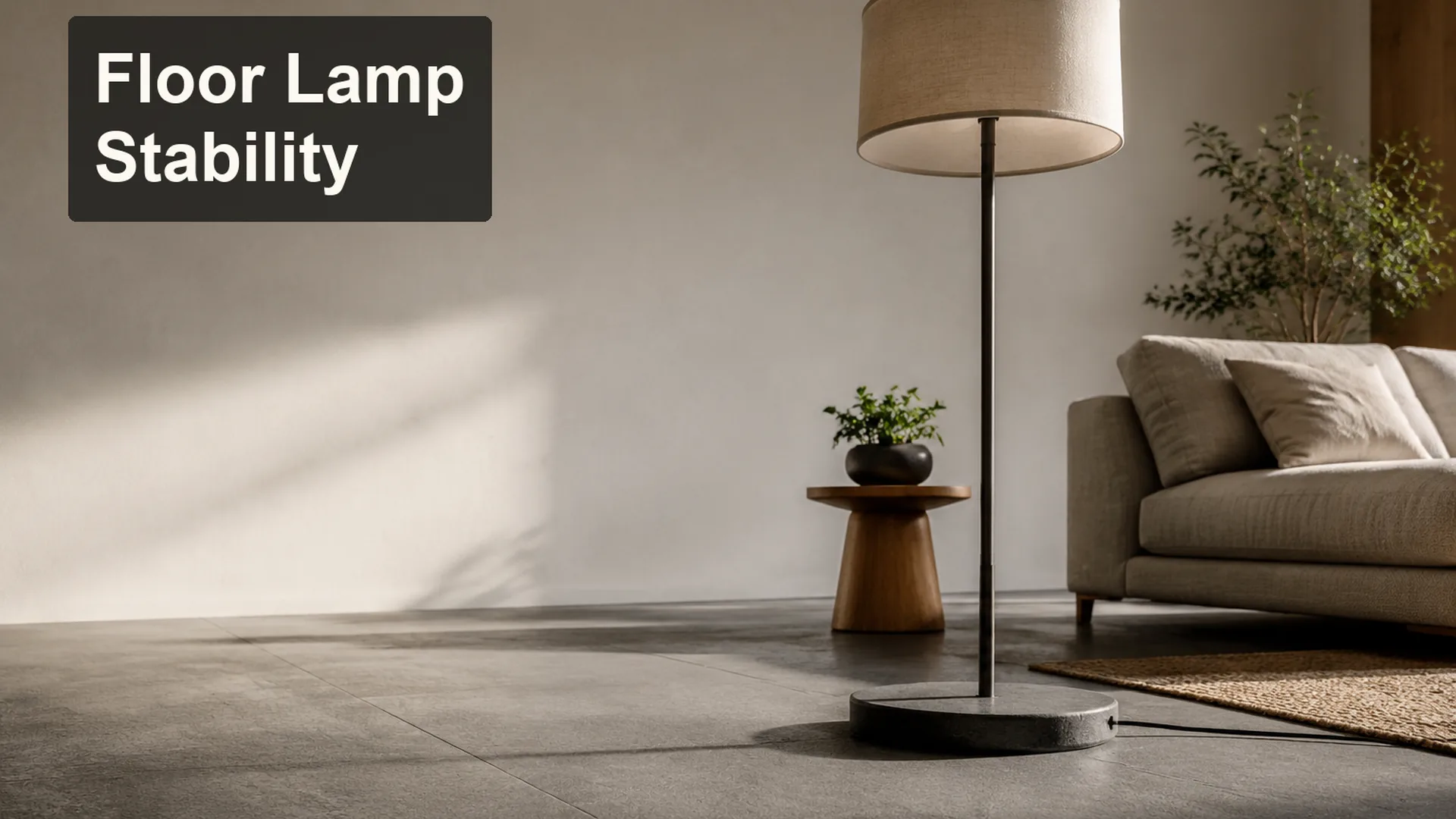
Use the stability review area as the working context, not as decoration around the product. Review the base, total height, shade overhang, and expected contact as one stability question. A team can then judge whether base diameter supports the intended use before it spends time refining floor surface.
Describe the evidence before interpreting it. For floor lamp stability, record the outline, relative scale, spacing, surface response, light direction, and base footprint on hard floor beside a low-pile rug. Keep exact materials, construction, compliance, and performance open unless supported by verified information for the selected product.
For floor lamp stability, use Floor Lamps as the primary category reference and compare it with the broader Lighting collection. Related directions such as decorative floor lamps for home decor stores, floor lamp manufacturer buying guide, Table Lamps, and Products connect the review with existing JC categories and practical examples.
| Review variable | Why it matters | Next confirmation |
|---|---|---|
| Base Diameter | Review the base, total height, shade overhang, and expected contact as one stability question. | Review it in the intended context |
| Overall Height | Compare it with base diameter | Review it in the intended context |
| Shade Overhang | Compare it with base diameter | Review it in the intended context |
| Floor Surface | Compare it with base diameter | Review it in the intended context |
| Traffic Exposure | Compare it with base diameter | Record the unresolved question |
Floor Lamp Stability follows one universal visual rule. False.
The result changes with product scale, room or display context, material behavior, viewing distance, and confirmed specifications. Visual lightness and physical stability are different qualities.
A clear base diameter decision improves the review. True.
Review the base, total height, shade overhang, and expected contact as one stability question. The remaining variables can then reinforce the hierarchy instead of competing with it.
Coordinate Base Diameter, Overall Height, and Shade Overhang
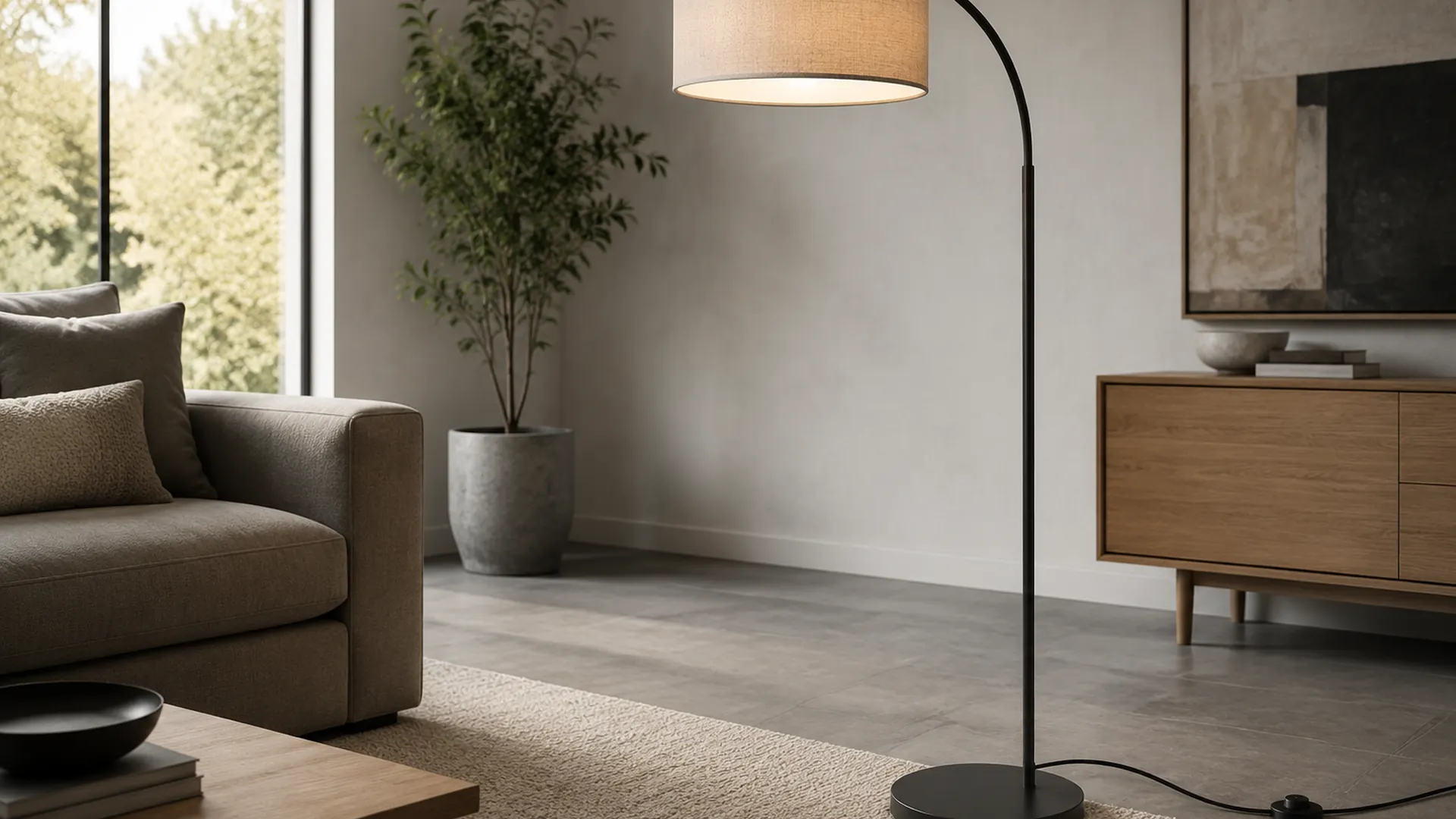
Build the hierarchy around base diameter. Let overall height support that decision, then use shade overhang and floor surface as checks. If every variable has equal visual strength, the result becomes harder to merchandise, sample, or approve.
The editorial palette for this review is stone, charcoal, linen, and natural oak. It helps the team see base footprint on hard floor beside a low-pile rug, but it is not a fixed product specification. Check physical samples or verified product information because undertone, reflection, texture, scale, and surrounding light can alter the relationship between overall height and shade overhang.
| Context | Recommended priority | Risk control |
|---|---|---|
| Small residential room | Review the base, total height, shade overhang, and expected contact as one stability question. | Avoid adding equal-strength details without hierarchy |
| Retail collection review | Prioritize overall height | Avoid visual lightness and physical stability are different qualities. |
| Reading or seating zone | Prioritize shade overhang | Avoid adding equal-strength details without hierarchy |
| Sample and specification review | Prioritize floor surface | Separate confirmed facts from open questions |
Change one of the five review variables at a time. Keep the camera position or viewing point stable, record why the alternative was stronger or weaker, and retain the rejected option long enough to explain the decision. For floor lamp stability, this is more useful than a folder of unrelated references.
A screen image settles overall height, shade overhang, and floor surface. False.
For floor lamp stability, camera processing, display settings, viewing light, texture, and scale can change what the team sees. Images communicate direction, but decisions about overall height or shade overhang need verified details and, where relevant, samples.
A written Floor Lamp Stability Review makes the comparison repeatable. True.
Recording base diameter, overall height, shade overhang, floor surface, traffic exposure under the same review conditions makes later sample, display, and product discussions easier to compare.
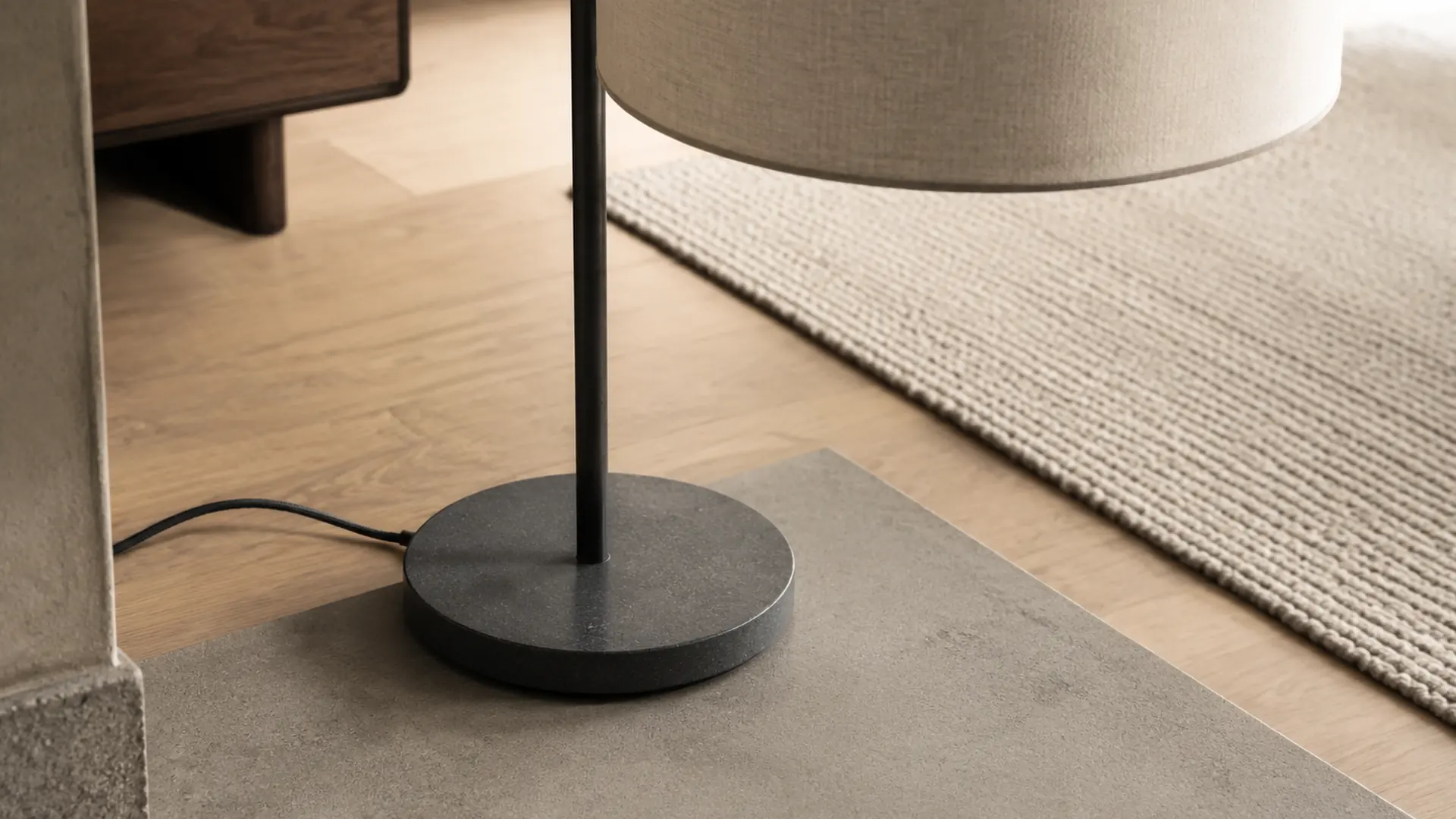
Practical Tool: Floor Lamp Stability Review
Use the Floor Lamp Stability Review where inspiration must become a decision record. Complete each row with an observation, a source of evidence, and an unresolved question. A blank field is safer than an invented specification.
| Field | What to record | Decision test |
|---|---|---|
| Base Diameter | Review the base, total height, shade overhang, and expected contact as one stability question. | Does it support base diameter? |
| Overall Height | Describe the current overall height direction | Does it support base diameter? |
| Shade Overhang | Describe the current shade overhang direction | Does it support base diameter? |
| Floor Surface | Describe the current floor surface direction | Does it support base diameter? |
| Traffic Exposure | Describe the current traffic exposure direction | Is the evidence sufficient for approval? |
Read the completed tool once from the end user’s or retail viewer’s position and once from the product-review position. The first pass checks whether base diameter remains clear at normal distance. The second looks more closely at base footprint on hard floor beside a low-pile rug, visible joints or edges, base contact, shade or opening details, and relevant packaging contact points.
Add an owner beside every open traffic exposure question. One person may confirm product information, another may review the sample, and another may approve packaging, electrical, label, or target-market details. The Floor Lamp Stability Review should show that responsibility without inventing a fixed sample or delivery schedule.
Translate the Floor Lamp Stability Review into a Product Brief
A usable floor lamp stability brief has three layers: the visual intention, facts confirmed for the selected item, and questions awaiting evidence. State the application, viewing direction, available or confirmed dimensions, material and finish language, and the chosen relationship between base diameter, overall height, and shade overhang. Add reference images only when their purpose is clear.
A floor-lamp brief needs room-scale information that a cropped product image cannot provide. Record base diameter, overall height, shade overhang, the base contact area, shade position, switch access, and cord route in the planned setting. Then list the product-specific shade, stem, joint, plug, packaging, label, and documentation questions. Keep floor surface and traffic exposure visible as review fields until evidence is available.
Lighting decisions should keep appearance, electrical review, and target-market requirements separate when a team evaluates floor lamp stability, especially where base diameter and overall height interact. This principle is supported by U.S. Department of Energy – LED Basics1. For the next review layer, NFPA – Electrical Safety Checklist2 helps keep shade overhang and product-specific questions separate from visual preference. Your Europe – Technical Documentation and Conformity3 provides context for documenting floor surface without turning a general reference into an unverified product claim.
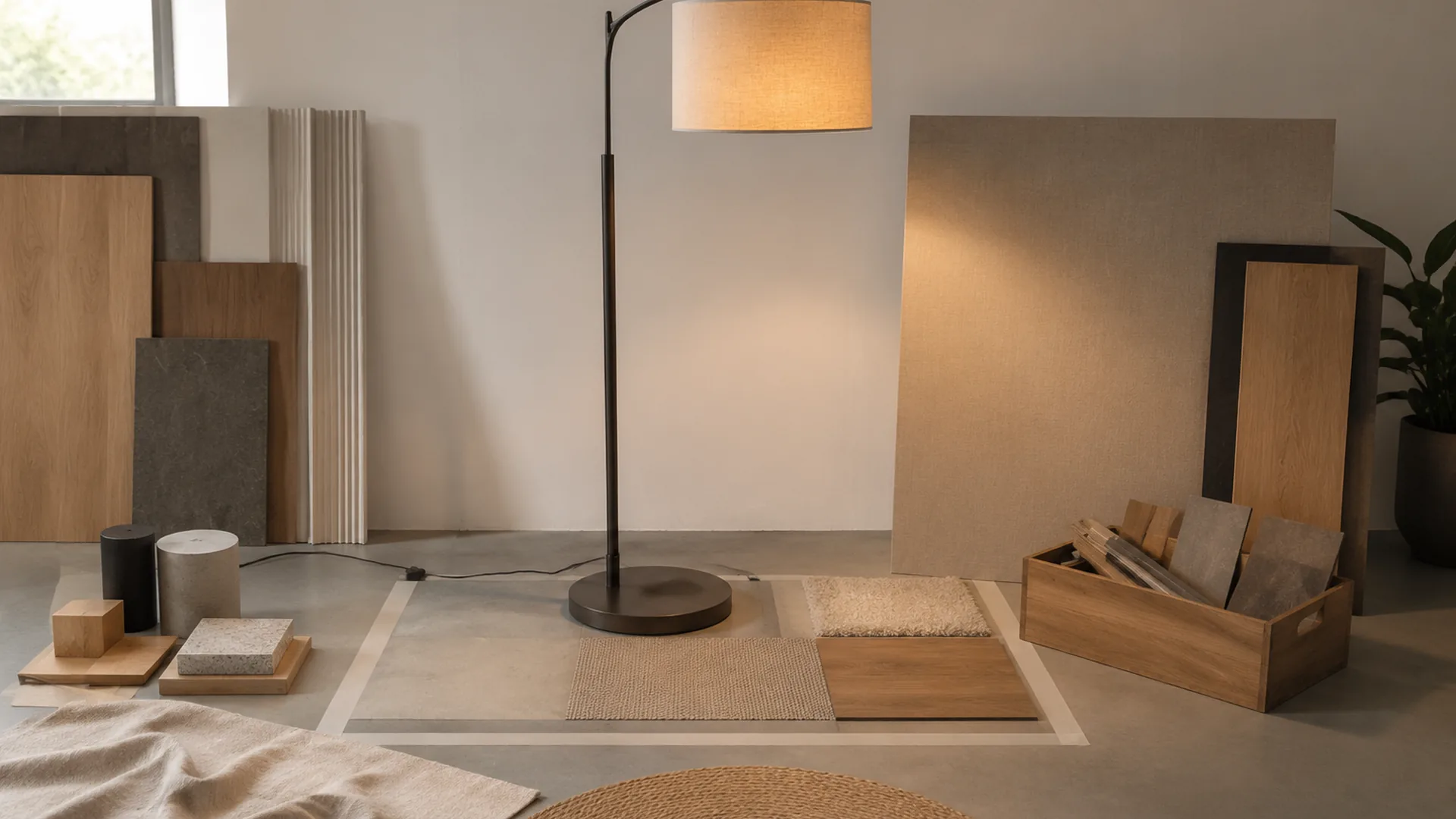
Use Request a Quote to send the completed Floor Lamp Stability Review, selected references, intended stability review area context, target market, and open traffic exposure questions. Contact Us is another route for an initial discussion. Customization, sample timing, delivery, packaging, electrical, and documentation details must be confirmed for the specific product and request.
FAQ
What should I review first for floor lamp stability?
Start in the intended stability review area, or in the nearest real display or sample-review context. Record base diameter, overall height, and shade overhang before debating floor surface; that order keeps the review tied to review base footprint, height, shade overhang, surface condition, and expected handling.
What can a product photo confirm about base diameter?
A photograph can show the direction of base diameter, but it cannot independently confirm final color, finish, scale, construction, or performance. For floor lamp stability, compare the image with dimensions, verified product information, and a physical sample whenever overall height or shade overhang affects approval.
How can retailers apply the Floor Lamp Stability Review?
Use the Floor Lamp Stability Review to give every option the same review fields. A retailer can record the intended display zone, base diameter, overall height, supporting color or finish cues, usable space, and the unresolved traffic exposure question before narrowing an assortment.
What should a designer add to a floor lamp stability brief?
Add the intended placement, viewing direction, available dimensions, confirmed material information, finish direction, and references that explain base footprint on hard floor beside a low-pile rug. Mark assumptions about floor surface, construction, packaging, or target-market documents as open questions rather than specifications.
Must related colors or finishes look identical?
No. Coordination depends on the material response and the intended hierarchy. Review the base, total height, shade overhang, and expected contact as one stability question. Judge the relationship between base diameter and overall height under a defined light instead of relying on identical screen colors.
When should I request a sample for floor lamp stability?
Request or review a sample when overall height, shade overhang, floor surface, or visible variation could change the decision. Use stone, charcoal, linen, and natural oak only as the planning direction, and record the viewing light and comparison reference used for approval.
What product and target-market details remain to be confirmed?
For a floor-lamp direction, document base diameter, overall height, and shade overhang at room scale. Product-specific review should also cover base contact, switch access, cord route, plug, shade, packaging, labels, and target-market documentation.
How should I send this direction to JC Home Decor?
Send the completed Floor Lamp Stability Review, relevant product references, intended application, target market, dimensions, and unresolved points covering base diameter, overall height, shade overhang, floor surface, traffic exposure. Customization, samples, packaging, timing, and documentation remain product- and request-specific.
Conclusion
Floor Lamp Stability and Base Footprint Explained becomes actionable when the team can explain how base diameter relates to overall height, what evidence supports shade overhang, and which traffic exposure questions remain open. The Floor Lamp Stability Review provides that record for a sample, assortment, display, or product-development conversation.
Action checklist
- Define the stability review area or nearest real review context and viewing direction.
- Record available dimensions and the current base diameter evidence.
- Compare overall height and shade overhang without changing every variable at once.
- Use floor surface to check whether the main direction remains coherent.
- Complete the Floor Lamp Stability Review, including unresolved traffic exposure questions.
- Review relevant samples under a stated light and from the intended distance.
- Separate confirmed materials, construction, packaging, electrical, label, and target-market facts from assumptions.
- Send the organized floor lamp stability brief to JC Home Decor for product-specific discussion.
References
- U.S. Department of Energy – LED Basics – Supports light source characteristics and appearance.↩
- NFPA – Electrical Safety Checklist – Supports responsible electrical review and placement.↩
- Your Europe – Technical Documentation and Conformity – Supports target-market documentation confirmation.↩