J.C Home Decor and Lighting Manufactory


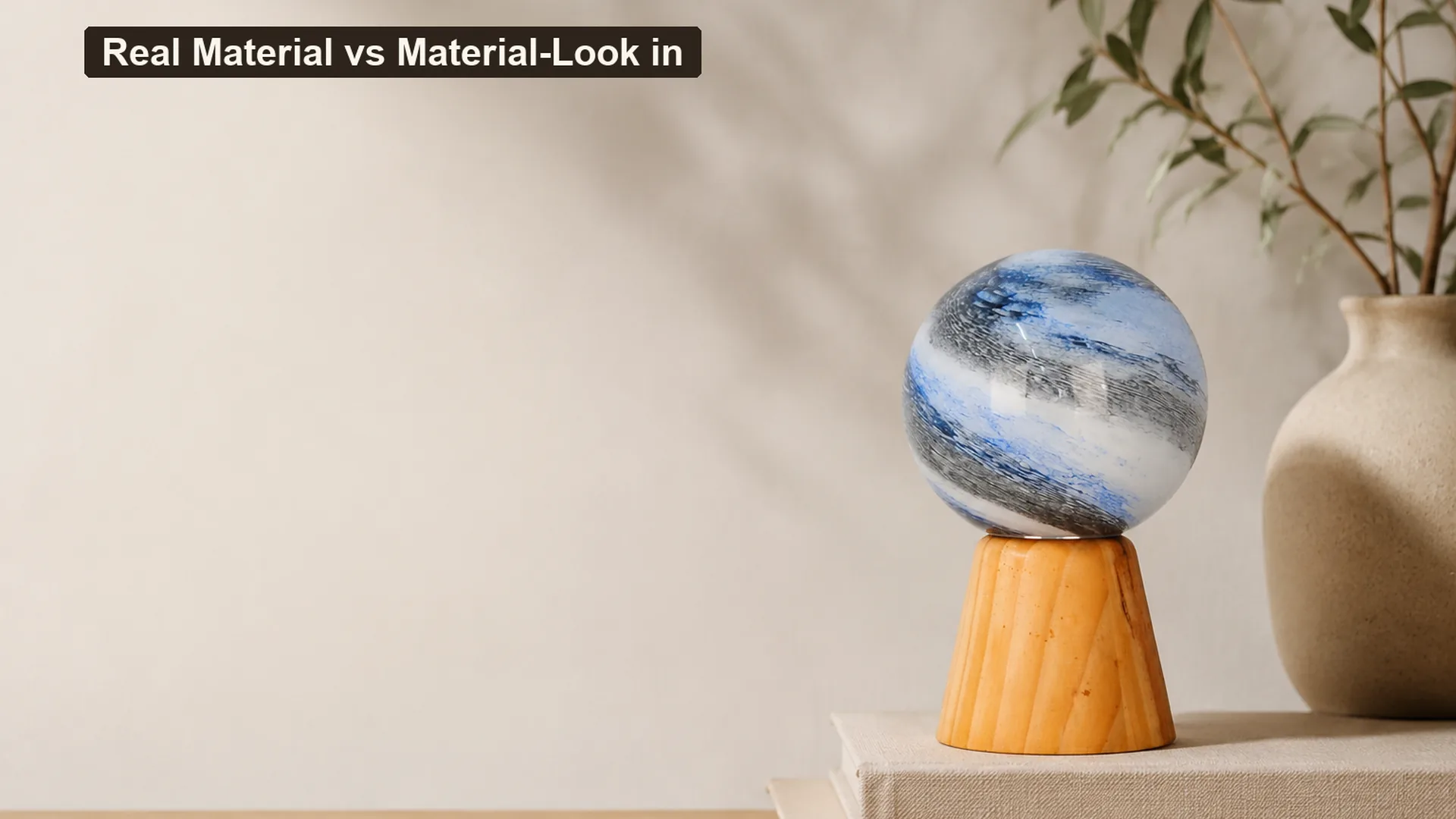
Introduction
Understanding material look vs real material helps retail content teams; importers; home decor brands turn visual inspiration into a clearer display or product-development decision. By the end, you will have a practical way to separate visual effect from confirmed construction so product copy stays accurate.
This guide keeps Europe as the first market context and the United States second. It separates observable styling and product-development choices from dimensions, materials, performance, care, packaging, electrical information, and documentation that still require confirmation.
What the Topic Means
The most useful starting point is to separate visual effect from confirmed construction so product copy stays accurate. Begin with the intended room, shelf, retail display, or collection role instead of copying one attractive image. Then record what is visible and what remains unconfirmed.
Material Look Vs Real Material has one universal formula. False.
The right direction depends on product scale, application, viewing distance, surrounding objects, and confirmed specifications.
A clear hierarchy improves product communication. True.
One leading relationship makes supporting colors, materials, shapes, and product details easier to evaluate.
Build the Primary Design Relationship
Choose one dominant visual decision before adding supporting details. That decision may be material contrast, height rhythm, opening size, surface reflection, color story, base shape, or lighting role. Keep it visible from the main viewing direction.
Use Table Top Accessories as the primary category reference and compare it with the broader Decor collection. Related directions such as home decor accessories guide, DSC0012 tabletop accessory, HAC04 tabletop accessory, and DSC0014 tabletop accessory can support the collection when their actual product information remains accurate.
| Review area | Role in the direction | Confirmation step |
|---|---|---|
| Appearance Term | Use as the leading decision | Define it first |
| Confirmed Material | Use as a supporting decision | Confirm it against the lead direction |
| Mixed-Material Detail | Use as a supporting decision | Confirm it against the lead direction |
| Finish | Use as a supporting decision | Confirm it against the lead direction |
| And Unresolved Evidence | Use as a supporting decision | Confirm it against the lead direction |
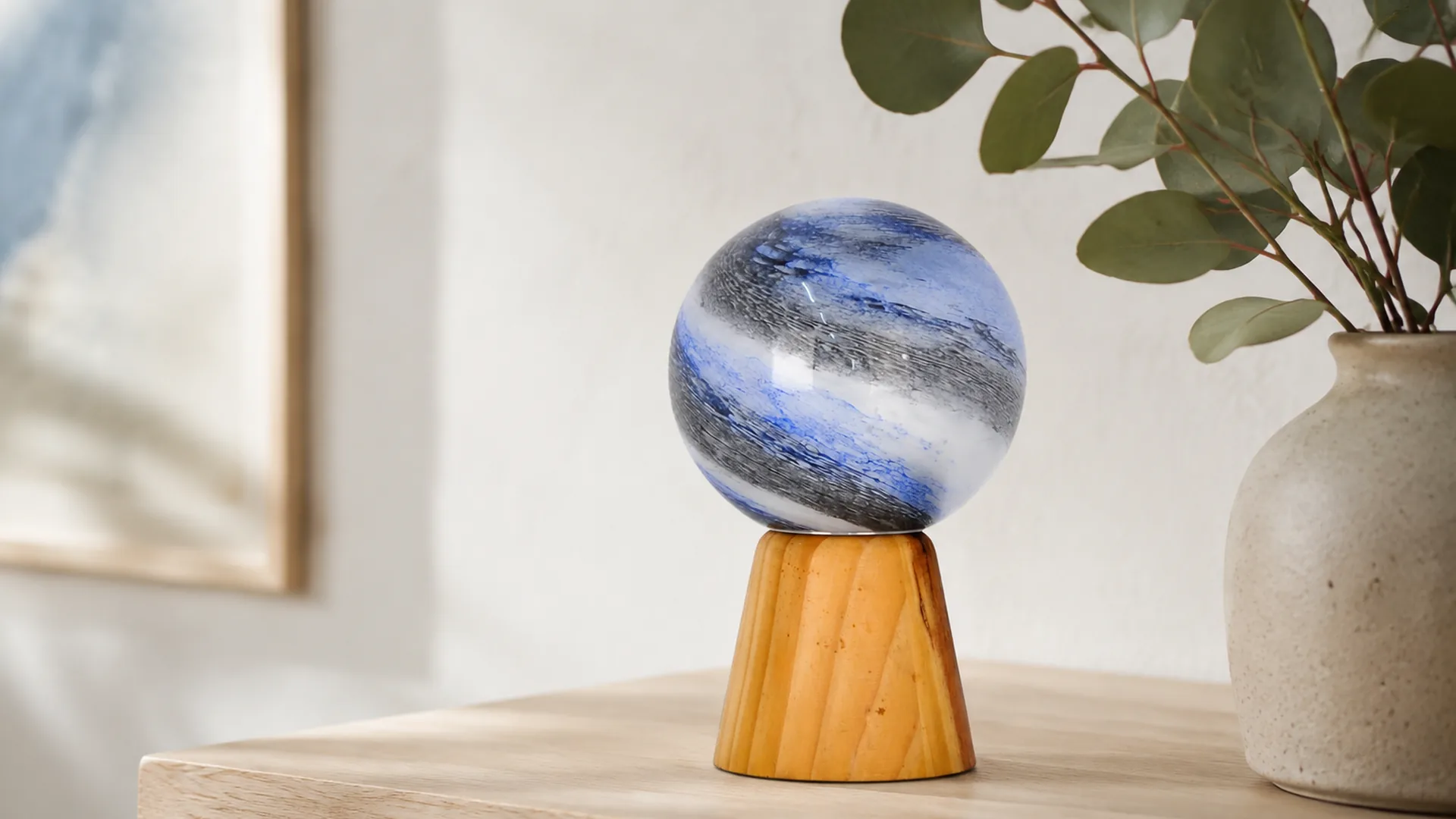
Coordinate Color, Material, Finish, and Scale
A coherent direction repeats one or two cues without matching every object. Use contrast deliberately: glossy beside matte, pale beside dark, narrow beside broad, or smooth beside tactile. Keep the strongest pattern or finish in a clear leading role.
Material-look language must remain conservative. Wood-look, marble-look, rattan-look, porcelain-look, ceramic-style, or metal-effect wording should not be rewritten as a real material unless verified product information confirms it.
| Context | Useful response | Risk control |
|---|---|---|
| Warm neutral context | Use controlled contrast and one repeated cue | Avoid making every finish equally strong |
| Color-led context | Choose one focal color and quieter supporting tones | Confirm samples under expected light |
| Retail display | Protect silhouette readability and usable space | Review from the main customer viewpoint |
| Collection development | Record confirmed details separately from inspiration | Leave uncertain specifications open |
Every object should use the same material and finish. False.
Matching everything removes useful hierarchy and can make a collection visually flat.
Physical samples are essential for surface decisions. True.
Samples reveal color undertone, reflection, texture, variation, scale, and construction details that screens cannot confirm.
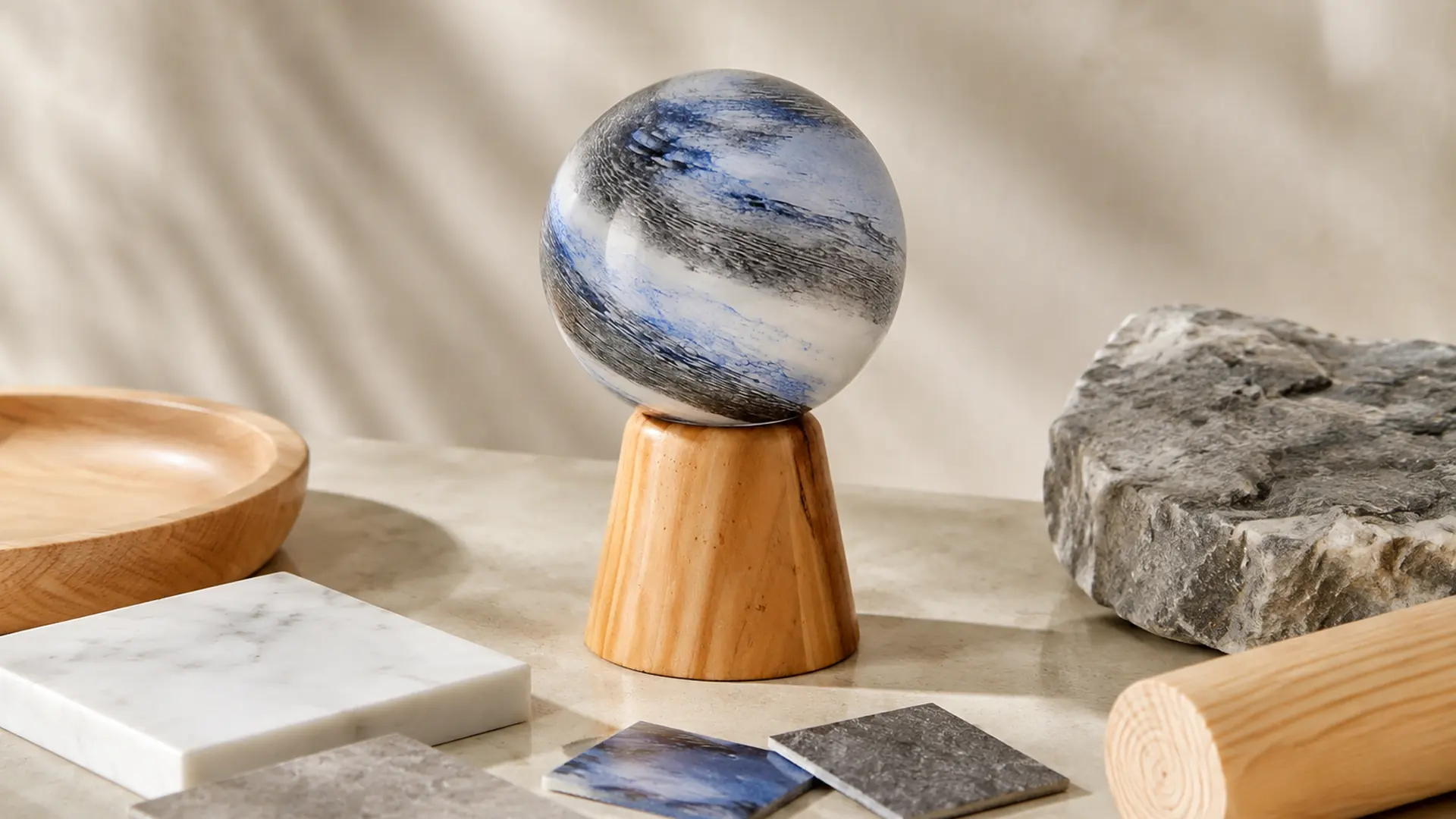
Practical Tool: Material Description Verification Sheet
Use this tool during styling, product review, merchandising, or sample communication. Complete each row with observable information and leave uncertain specifications blank until verified.
| Review field | Action | Evidence needed |
|---|---|---|
| Appearance Term | Record the observable direction | Confirm product-specific details through samples or verified information |
| Confirmed Material | Record the observable direction | Confirm product-specific details through samples or verified information |
| Mixed-Material Detail | Record the observable direction | Confirm product-specific details through samples or verified information |
| Finish | Record the observable direction | Confirm product-specific details through samples or verified information |
| And Unresolved Evidence | Record the observable direction | Confirm product-specific details through samples or verified information |
Review the completed tool from the expected viewing direction. Change one variable at a time, photograph the revision, and record why it is stronger or weaker. This creates a useful decision trail without inventing technical certainty.
Turn the Direction into a Product Brief
A product brief should record category, dimensions, confirmed material description, color, finish, visible construction, base or opening details, care questions, packaging, target market, and any labeling or documentation needs. For fragile decor, also review base stability, vulnerable projections, surface separation, and inner protection.
The Canadian Conservation Institute notes that ceramic and glass objects can be brittle and vulnerable to impact1. Its preventive guidance supports stable placement and reduced unnecessary handling for vulnerable objects2. Its care note supports conservative cleaning when surface decoration is uncertain rather than aggressive treatment3.
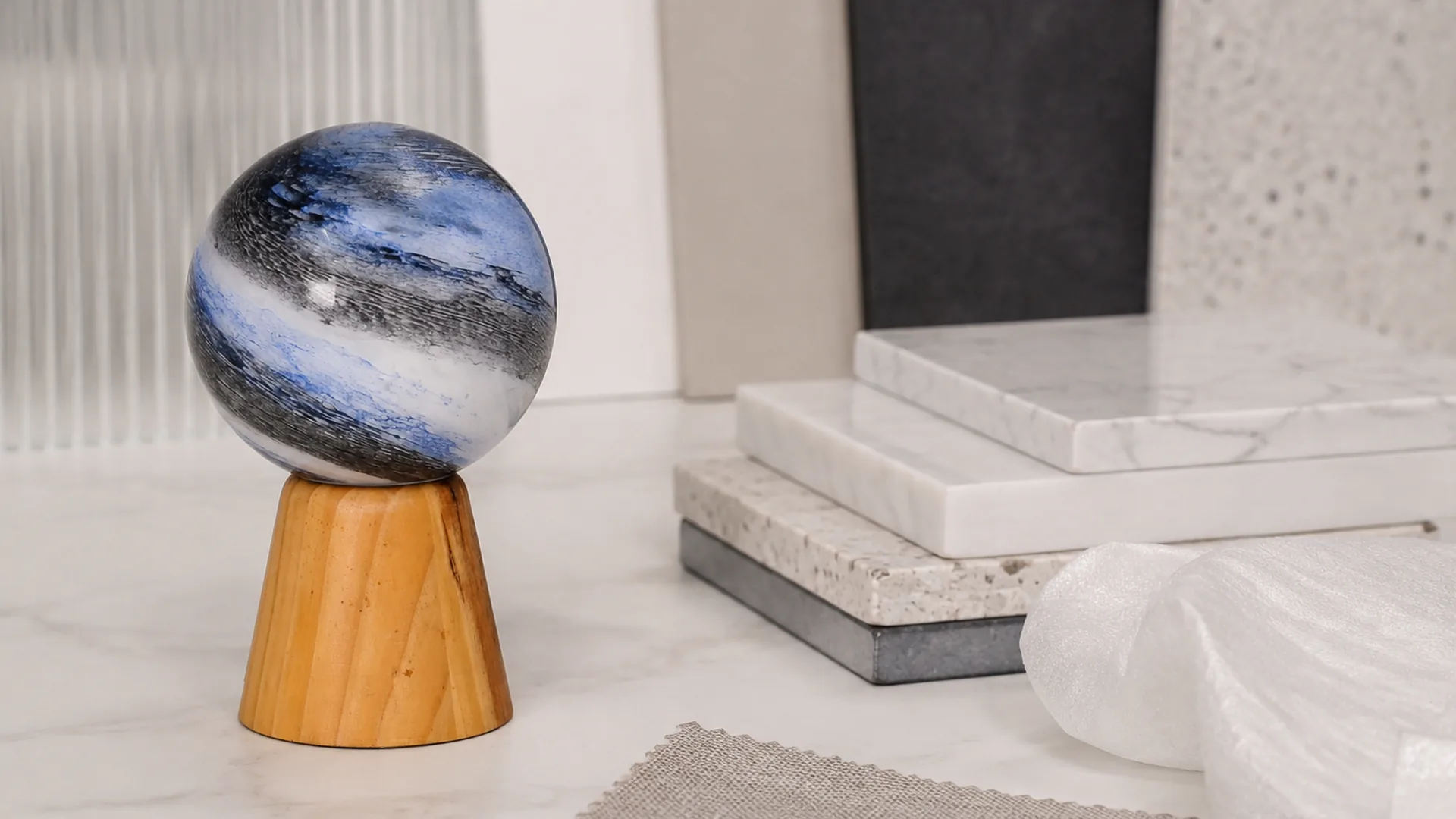
When the direction is organized, use Request a Quote to send the intended application, target market, product references, dimensions, finish direction, packaging needs, and open questions. Contact Us can support an initial discussion. Custom options depend on product type and order requirements, so feasibility must be confirmed.
FAQ
Why does material look vs real material matter?
It connects visible design decisions with a clearer application, sample review, and product brief.
Which detail should be decided first?
Start with the real room, display, retail, or collection context, then define the leading visual relationship.
Can screen images confirm final color and finish?
No. Screens, lighting, texture, glaze, metal finish, and natural variation can change appearance. Review physical samples.
How many product directions should be combined?
Use enough variety to create hierarchy, but keep one dominant cue and limit competing patterns or finishes.
What should retailers record for product copy?
Record only confirmed material, dimensions, finish, function, care, packaging, and target-market information.
Can custom options be discussed?
Yes, depending on product type and order requirements, but feasibility and final details require confirmation.
What packaging questions are relevant?
Review inner protection, surface separation, carton orientation, labels, retail packaging, and handling needs for the actual product.
What should be sent before requesting a quote?
Send the application, market, references, dimensions, finish direction, packaging needs, and unresolved questions.
Conclusion
Real Material vs Material-Look in Tabletop Decor becomes more useful when inspiration is converted into a clear hierarchy, observable comparisons, and a product brief with honest confirmation points. Use the Material Description Verification Sheet to organize the review before selection or ordering.
Action checklist
- Define the real room, display, retail, or collection context.
- Record the relevant dimensions and main viewing direction.
- Choose one leading color, material, shape, finish, or functional relationship.
- Complete the Material Description Verification Sheet.
- Compare samples for color, surface, proportions, and visible construction.
- Confirm material descriptions, care, packaging, labels, and target-market needs.
- Keep uncertain specifications open instead of inferring them from appearance.
- Send the organized brief to JC Home Decor for product-specific discussion.
References
- Canadian Conservation Institute – Ceramics and Glass – Supports careful handling and protection from impact.↩
- Canadian Conservation Institute – Preventive Care for Ceramics and Glass – Supports stable display and reduced unnecessary handling.↩
- Canadian Conservation Institute Notes 5/1 – Care of Ceramics and Glass – Supports conservative cleaning for uncertain surfaces.↩