J.C Home Decor and Lighting Manufactory


Introduction
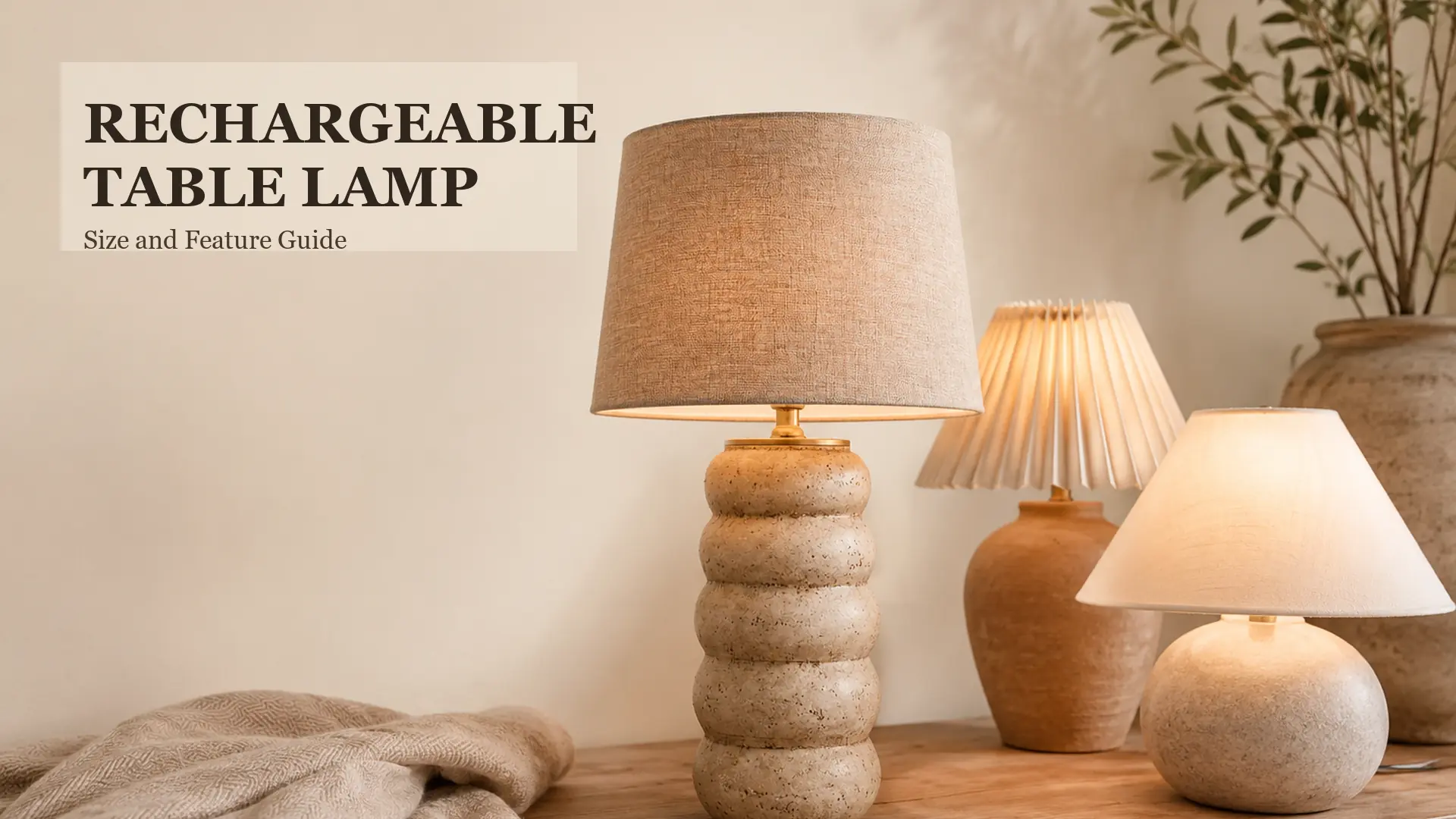
A rechargeable table lamp size guide helps buyers compare portable lamp height, table footprint, control position, and charging details before a collection decision. It is useful for retail buyers, designers, product managers, and long-term lighting partners who need attractive portable lamps without creating display or usability problems. In this guide, you will learn how to judge proportions, match features to room use, and prepare clearer questions before discussing a final product direction with a supplier.
For JC Home Decor, this topic connects naturally with the Rechargeable Battery Lamps category, while still borrowing useful proportion thinking from Table Lamps and the broader Lighting range. The goal is not to pick a lamp by size alone; instead, the goal is to match size, function, finish, and placement with the way a buyer expects the collection to be used.
Why Size Matters for Rechargeable Table Lamps
Rechargeable table lamps are often chosen for flexibility. However, flexibility only works when the lamp fits the surface, the visual setting, and the user action. A lamp that looks beautiful in a close-up product photo may feel too tall on a shallow shelf, too wide on a restaurant-style table, or too small beside a sofa arm.
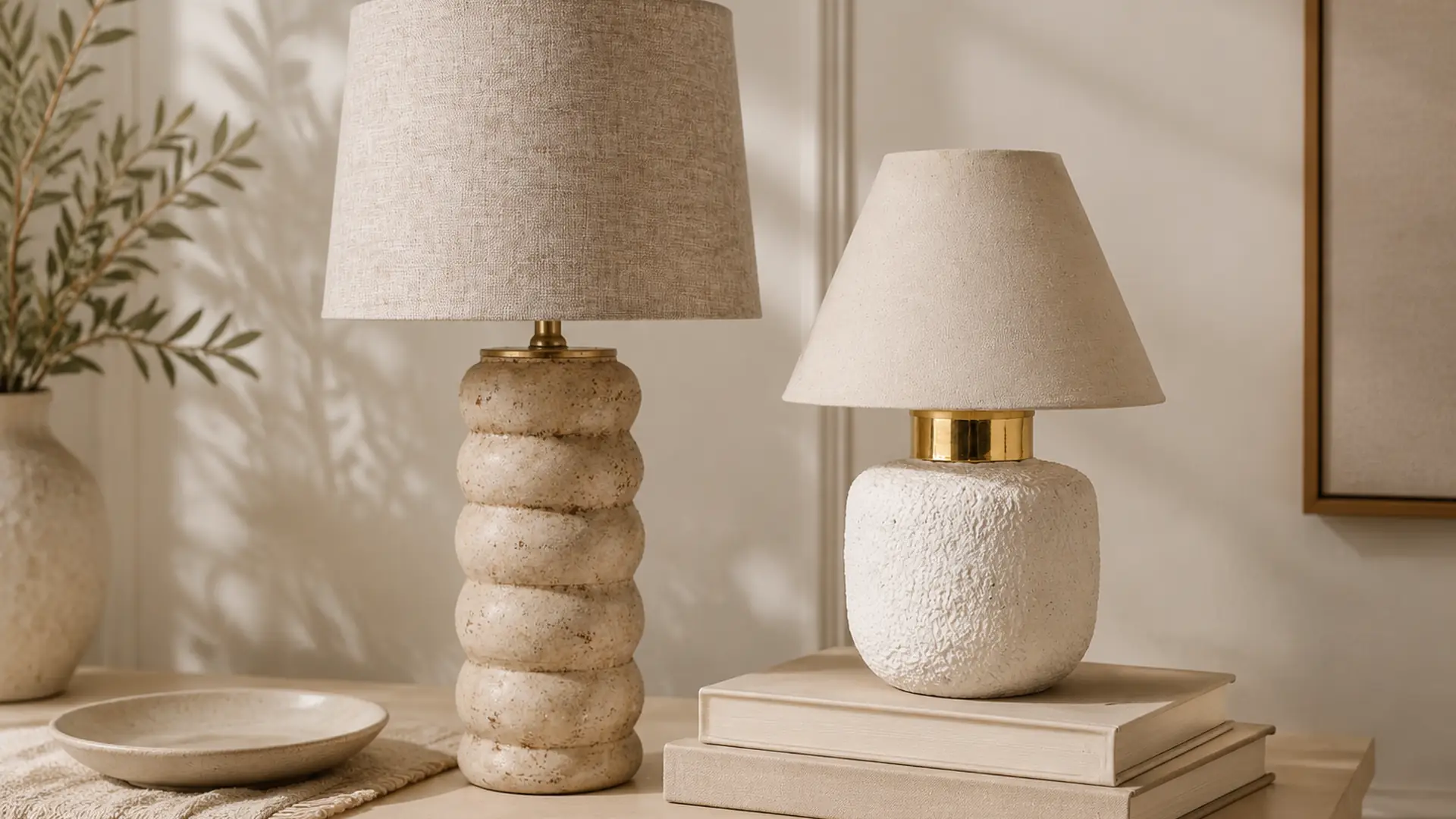
For retail and design-led collections, size also affects photography, packaging discussion, sample review, and repeat order planning. Therefore, buyers should compare three dimensions before judging style: total height, shade or top diameter, and base footprint. These details help determine whether a lamp belongs on a bedside table, console, retail shelf, dining-style table, reception counter, or flexible display zone.
If you are planning a coordinated lighting collection, use the category path from JC Home Decor products to compare portable lamps with decorative table lamps, floor lamps, and related home decor. This keeps rechargeable lamps from being treated as isolated items.
The Four Measurements Buyers Should Check
The most useful size review is not complicated. However, it should be consistent. Buyers can ask for dimensions, review product photos, and compare a sample against the display surface where the product may be used.
| Measurement | Why It Matters | Buyer Check |
|---|---|---|
| Total height | Controls visual presence and sightline comfort | Compare with bedside, shelf, console, and table height |
| Shade or top width | Affects spread, balance, and surface crowding | Check whether the lamp feels wider than the intended surface allows |
| Base footprint | Determines stability and usable table space | Confirm base shape, contact area, and clearance around other objects |
| Control access area | Affects everyday usability | Confirm whether the switch, touch control, or charging point remains easy to reach |
As a practical rule, a portable lamp should leave enough surrounding space for the real objects that share the surface. For example, a bedside table may need room for a book, phone, glass, or tray. A retail shelf may need spacing between products, price communication, and visual breathing room. Since every market and product line is different, these checks should happen before bulk order confirmation.
A taller rechargeable lamp is always more useful. False
Height can improve presence, but it can also block sightlines, overwhelm shallow shelves, or make controls harder to reach. The better question is whether the height fits the intended surface and viewing distance.
Footprint and clearance are part of size selection. True
A compact base can help in small spaces, while a broader base may feel more stable. Buyers should review the actual base shape instead of relying only on total height.
Match Size to Application, Not Only Style
A rechargeable lamp may be used in many settings. Still, each setting asks for a different balance between height, width, brightness, battery discussion, and styling. Therefore, buyers should connect the product specification to the expected use case instead of choosing by appearance alone.
The following table can be used during early collection planning.
| Application | Size Direction | Feature Priorities | Visual Notes |
|---|---|---|---|
| Bedside table | Medium height, controlled shade width | Soft light, easy control access, stable base | Avoid lamps that crowd the whole tabletop |
| Console or entry table | Taller or more sculptural shape | Decorative presence, visible finish, simple charging routine | Works well with vases or table top accessories |
| Retail shelf | Compact to medium footprint | Durable finish discussion, clear proportions, repeatable display | Leave enough spacing for multiple pieces |
| Dining-style table or cafe-style setting | Lower height and compact footprint | Dimming discussion, glare control, easy handling | Avoid oversized shades that interrupt sightlines |
| Design studio sample review | Varied sizes for comparison | Charging method, finish, sample notes, packaging discussion | Compare size with other collection items |
This is also where a buyer can connect a rechargeable lamp to related product families. For example, a portable lamp may sit near Decor pieces in a lifestyle collection, or it may be reviewed together with the decorative lighting supplier guide when a team is planning broader lighting choices.
Size and Feature Fit Matrix
Use this simple matrix before requesting final product details. It is not a technical test. Instead, it is a planning tool that helps buyers clarify what should be confirmed.
Step 1: Define the Primary Surface
Choose one main surface first: bedside table, shelf, console, dining-style table, counter, or display plinth. Then, note whether the surface is shallow, medium, or deep. This prevents a product team from choosing a lamp that looks good in isolation but feels awkward in the actual display plan.
Step 2: Decide the Visual Role
Next, decide whether the lamp should be a quiet accent, a visible hero item, or part of a mixed collection. A hero lamp can carry more height or shape. However, an accent lamp usually needs a smaller footprint and a calmer shade.
Step 3: Confirm the User Action
After that, check how the user will turn the lamp on, adjust light, and charge it. If the control is on the base, the base must remain reachable. If charging requires a cable or charging point, the product page and sample review should make that clear.
Step 4: Ask for Product-Specific Details
Finally, ask for the final product information that matters to the target market. This may include dimensions, charging method, light output, color temperature, charging accessories, packaging method, and compliance documents where relevant. Brightness is commonly discussed through lumens rather than only watts; ENERGY STAR explains that LED lamp selection often uses light output and related bulb information, not just energy use alone when comparing LED lighting information1.
Feature Checks That Affect Size Decisions
Rechargeable lamps are not only decorative objects. Their features can change how a buyer judges the correct size. A small lamp with poor control access may feel less useful than a slightly larger lamp with a clear switch position. Likewise, a beautiful shape may be less practical if the charging method conflicts with the intended display.
Controls and Dimming
Controls should be easy to reach without lifting the lamp or moving nearby objects. If a lamp has dimming modes, buyers should confirm how the control sequence works during sample review. This is especially important for retail teams that need simple customer-facing product explanations.
Charging Method
Charging details should be discussed early. Ask whether the product uses a cable, charging base, replaceable battery module, or another method. Also, confirm what accessories are included and what target market requirements should be reviewed before ordering.
Stability and Handling
Portable lamps are moved more often than fixed table lamps. Therefore, the base should feel stable, and the product should be comfortable to pick up. Buyers should also consider how the finish will respond to repeated handling, especially for ceramic-style, glazed, painted, or textured surfaces.
Electrical and Market Review
For lighting products, electrical configuration and target market requirements should be discussed before order confirmation. Portable luminaires are covered by recognized safety standards such as UL 153 for portable electric luminaires in the U.S. standards system2. International luminaire standards, including IEC 60598-1, also address general luminaire requirements and testing frameworks for lighting products3. These references do not mean every product automatically meets every requirement, so buyers should confirm documents by product and target market.
A rechargeable lamp can be selected from photos alone. False
Photos help with style, but buyers still need dimensions, control access, charging details, sample handling, and packaging discussion before final selection.
Feature details should be confirmed by product. True
Charging method, light settings, accessories, and compliance documents can vary. Safe sourcing communication keeps these points product-specific.
Common Selection Mistakes
The first mistake is choosing a lamp that is visually attractive but too large for the intended surface. This often happens when buyers review only a front image and do not compare footprint or shade width.
The second mistake is ignoring control placement. A control that looks fine in a product photo may become awkward when the lamp sits behind accessories, on a crowded shelf, or near a wall.
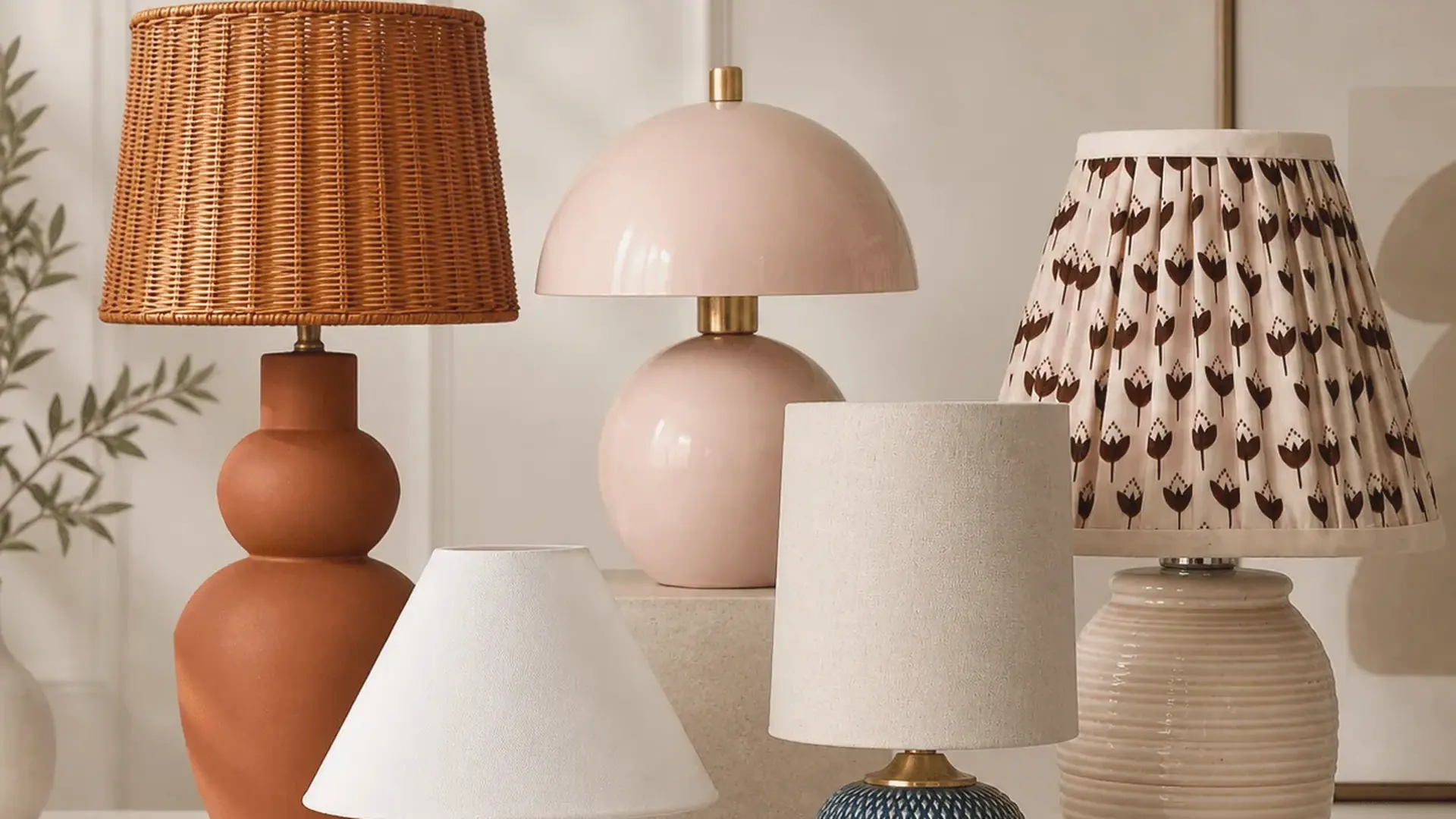
The third mistake is treating rechargeable lamps as a single product type. In reality, buyers may compare compact accent lamps, decorative table lamps with portable functions, and flexible display lamps. Each direction needs a different size and feature balance.
The fourth mistake is forgetting packaging. A larger shade, fragile ceramic body, or textured finish may require different inner protection. Packaging should be discussed before bulk order confirmation, especially for home decor retailers and importers.
For custom or collection-led discussions, the custom lighting manufacturer guide can help buyers prepare style references, packaging needs, and product communication points before contacting a supplier.
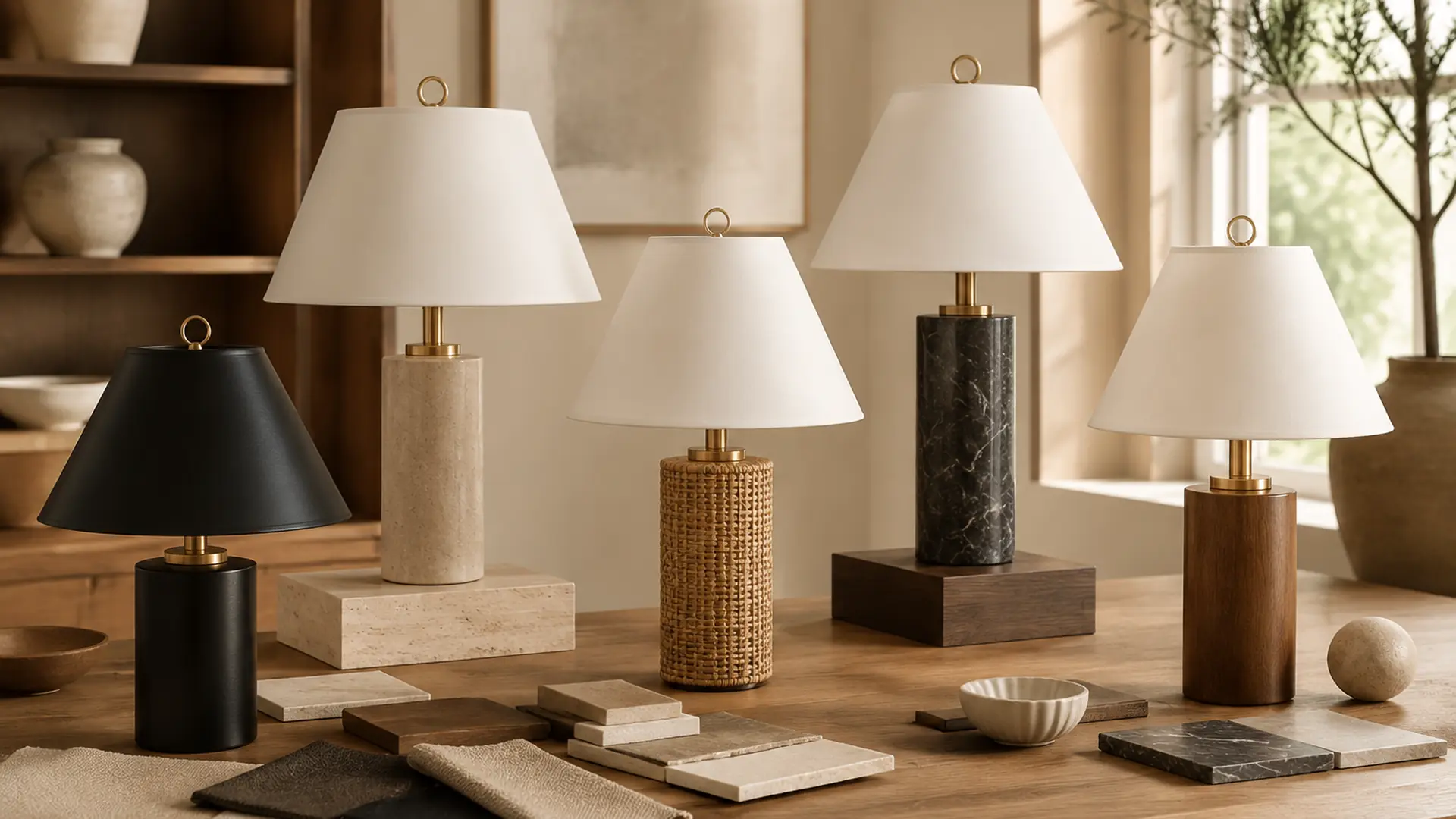
What to Prepare Before Discussing a Rechargeable Lamp
Buyers can make the conversation much clearer by preparing a short brief. The brief does not need to be complex, but it should connect the product to real use.
Include these points:
- Intended placement, such as bedside, shelf, console, table, or retail display
- Preferred height range and maximum surface footprint
- Style direction, color family, finish, and shade preference
- Expected control method and charging method to discuss
- Target market and any compliance documents that need review
- Packaging expectations for retail box, export carton, and inner protection
- Whether the lamp should stand alone or match a wider collection
If the project involves a wider product family, buyers can also compare rechargeable lamps with the full Lighting category and related decor categories before using the Contact Us page to discuss product direction.
FAQ
What is the best height for a rechargeable table lamp?
There is no single best height. The right height depends on the surface, viewing distance, shade width, and expected use. Buyers should compare total height with tabletop depth and nearby objects before making a final decision.
How much tabletop space should a portable lamp leave?
A portable lamp should leave enough space for normal use around it. On a bedside table, that may include room for a phone or book. On a retail shelf, it may include spacing between products and display accessories.
Should buyers choose compact rechargeable lamps for every setting?
No. Compact lamps can work well for small tables and shelves, but larger forms may be better for consoles or hero displays. The size should match the visual role and not only the desire to save space.
Which features should be checked before selecting a rechargeable lamp?
Buyers should confirm charging method, control access, dimming options, light output, color temperature, accessories, and target market requirements. These details should be reviewed by product rather than assumed across a whole category.
Can a rechargeable lamp be used in retail displays?
Yes, rechargeable lamps can support flexible retail displays when the size, finish, charging routine, and handling needs fit the store environment. Retail teams should also discuss packaging and repeat display needs before ordering.
Are rechargeable table lamps suitable for designers?
They can be useful for designers who need flexible accent lighting, layered styling, or sample presentation. However, designers should confirm dimensions, finish, shade material, and charging details before specifying a final direction.
What should importers ask before requesting a quote?
Importers should prepare target market, preferred size range, product style, packaging expectations, charging method questions, and any compliance document needs. They can then use the Request a Quote page with clearer product information.
Can JC Home Decor discuss custom rechargeable lamp options?
JC Home Decor can discuss custom options based on product type, order requirements, target market, and packaging needs. Final feasibility should be confirmed through product communication, sample review, and order details.
Conclusion
A rechargeable table lamp size guide is most useful when it connects dimensions with real use. Buyers should compare total height, shade width, base footprint, control access, charging method, and packaging needs before choosing a final direction.
Use this action checklist for the next review:
- Confirm the main surface and display scenario
- Compare height, shade width, and base footprint
- Check whether the control remains easy to reach
- Discuss charging method and included accessories
- Review finish, handling, and packaging needs
- Confirm target market requirements and documents by product
- Compare the lamp with nearby decor or lighting categories
- Prepare a concise brief before contacting the supplier
When your team is ready to compare portable lighting options, review JC Home Decor’s Rechargeable Battery Lamps and share your size, style, target market, and packaging direction through Request a Quote.
References
-
ENERGY STAR – Learn About LED Lighting – Supports the use of practical LED lighting information such as light output when comparing lamp performance.
↩ -
UL Standards – UL 153 Portable Electric Luminaires – Supports the statement that portable luminaires are addressed by recognized U.S. product safety standards.
↩ -
IEC 60598-1 Luminaires – General Requirements and Tests – Supports the need to discuss luminaire requirements and testing frameworks by product and market.
↩