J.C Home Decor and Lighting Manufactory

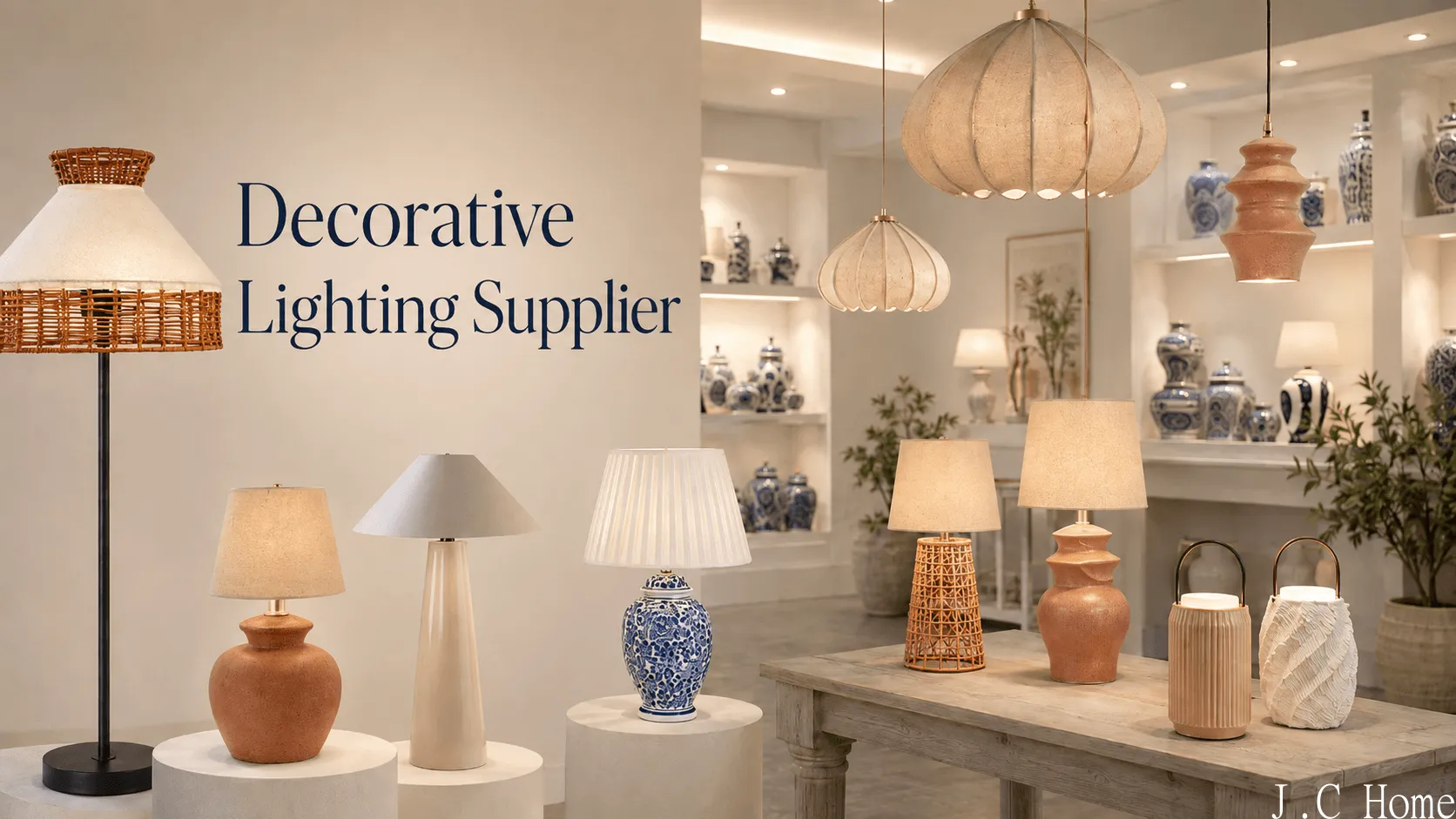
A decorative lighting supplier should help interior buyers choose lamps that fit the room style, target market, electrical requirements, packaging needs, and repeat-order plan. This guide is written for interior design distributors, home decor catalog buyers, retail buyers, hospitality project buyers, and design-led sourcing teams that need decorative lamps for residential and commercial interiors.
Decorative lighting is not only a visual product. It also affects safety review, installation planning, transport protection, showroom display, and long-term collection consistency. Therefore, buyers should compare both the product design and the supplier’s project support before placing orders.
What Buyers Usually Need from a Decorative Lighting Supplier
Most buyers search for a decorative lighting supplier when they need more than a single lamp style. They may need a full decorative lighting collection, including table lamps, floor lamps, rechargeable lamps, and pendant lighting for different room settings.
For this reason, a supplier should help buyers compare style direction, material options, product application, electrical details, and packaging needs. Buyers can start from the full Lighting collection at JC Home Decor to review table lamps, floor lamps, rechargeable battery lamps, and ceiling pendants.
A practical supplier discussion should answer these questions:
- Does the supplier support residential decorative lighting and commercial decorative lighting?
- Can the supplier adjust color, finish, shade, packaging, or label details?
- Can the supplier explain which product types fit retail display, hospitality spaces, or interior design projects?
- Can the supplier help buyers confirm compliance needs for the target market?
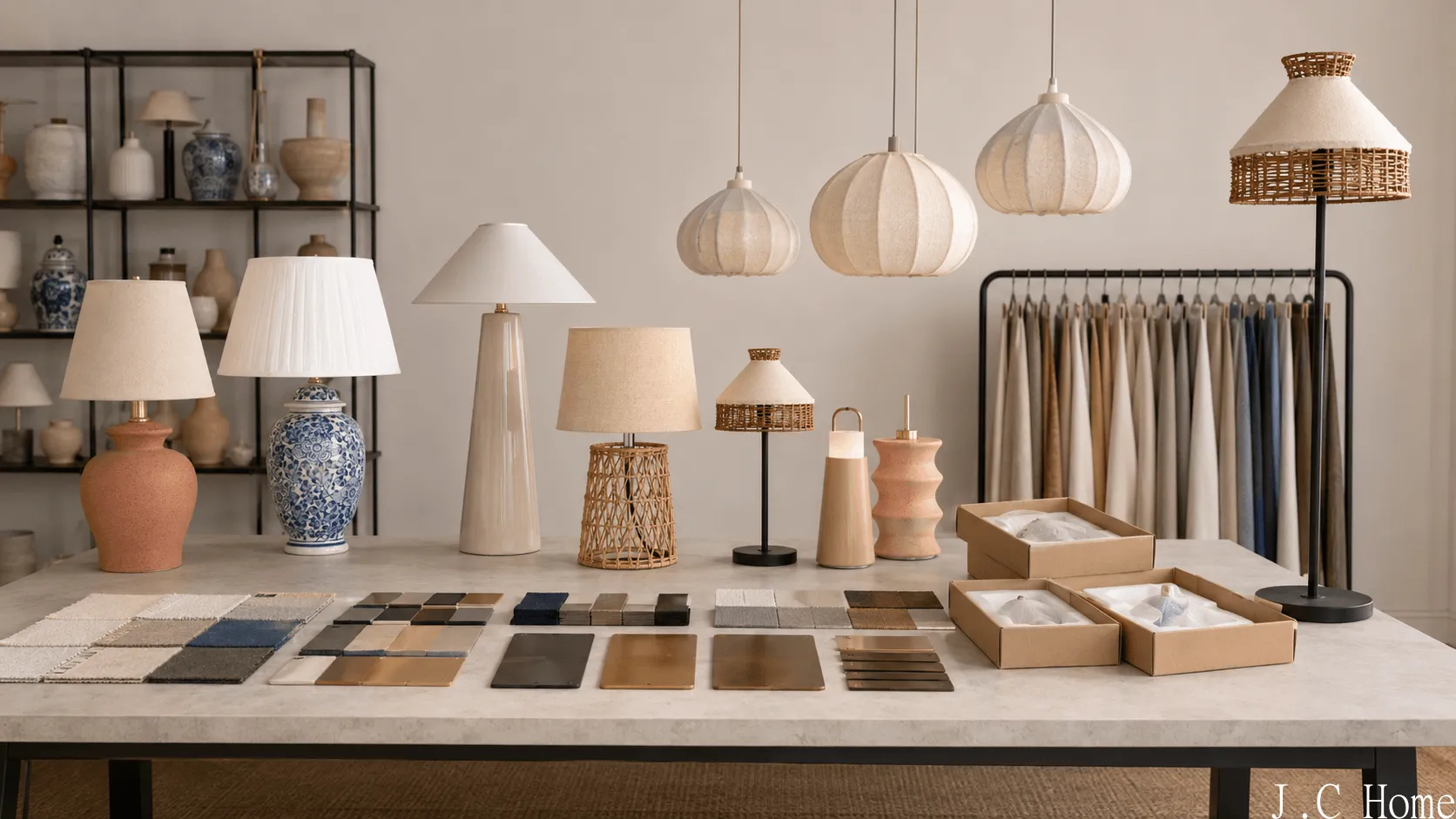
Decorative Lighting Types for Interior Buyers
Different decorative lighting products serve different spaces. Therefore, buyers should not choose a collection only by appearance. They should match each product type with its use case, installation condition, and target customer.
| Product Type | Suitable Buyer Need | Practical Selection Notes |
|---|---|---|
| Table lamps | Bedside tables, console tables, retail displays, hotel rooms | Check body material, shade style, height, plug type, and packaging needs. |
| Floor lamps | Living rooms, lounge corners, hotel suites, showroom displays | Confirm base stability, shade protection, carton strength, and finish consistency. |
| Rechargeable lamps | Restaurants, cafés, lounges, events, flexible table settings | Confirm battery, charging port, dimming option, target market requirements, and usage scene. |
| Ceiling pendants | Dining areas, lobby corners, hospitality spaces, design-led interiors | Confirm installation method, cable length, canopy finish, electrical details, and packaging. |
| Wall sconces or chandeliers | Project-specific decorative lighting plans | Confirm availability first, because not every decorative lamp supplier covers every fixture type. |
JC Home Decor focuses on table lamps, floor lamps, rechargeable battery lamps, and ceiling pendants. Buyers who need wall sconces or chandeliers should confirm product scope before requesting samples.
A decorative lighting wholesaler only needs attractive product photos. False
Photos help buyers judge style, but they cannot replace product details. Buyers should also confirm material, finish, electrical configuration, packaging, labeling, and target market requirements before repeat orders.
A complete decorative lighting collection should match both style and use case. True
Interior buyers often need coordinated lamps for different rooms. A supplier should help connect table lamps, floor lamps, rechargeable lamps, and pendants with real application spaces.
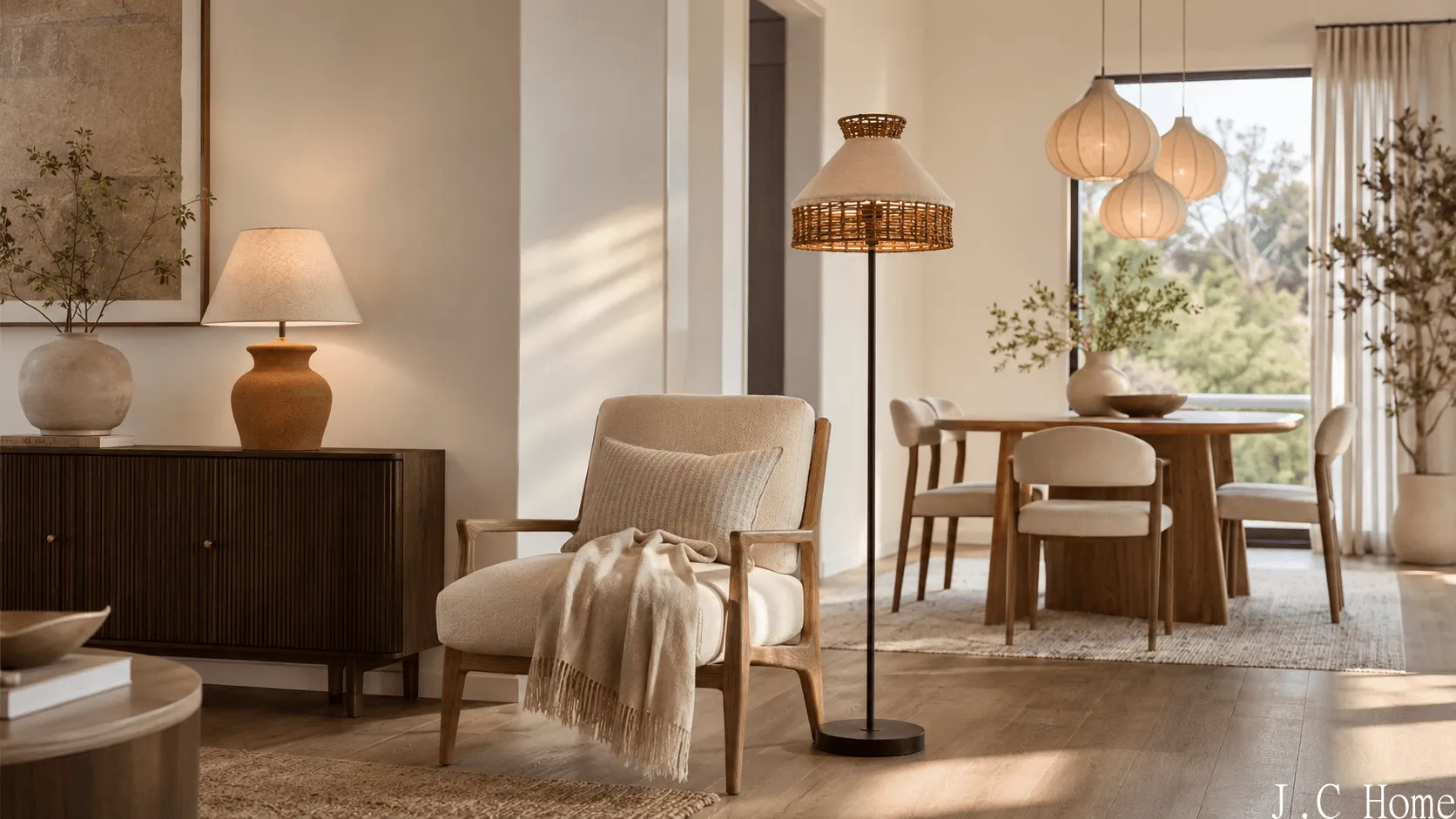
How to Match Decorative Lamps with Interior Projects
A designer lighting vendor should understand where the product will be used. A lamp for a boutique hotel room may need a different structure, finish, or packaging plan from a lamp for a home decor retail shelf.
For example, a table lamp for a furniture showroom should look balanced beside sofas, beds, or console tables. Meanwhile, a rechargeable lamp for restaurants should focus on flexible placement and easy charging. Buyers can review products such as the Green Rechargeable Table Lamp NA04-8×16.5 or the Round Rechargeable Table Lamp CLXZ3017A-8×7-5 when planning cordless decorative lighting options.
| Application Scenario | Recommended Product Direction | What Buyers Should Confirm |
|---|---|---|
| Home decor retail stores | Modern decorative lighting, table lamps, floor lamps | Collection style, carton size, display effect, repeat supply plan |
| Interior design studios | Contemporary lighting designs, decorative lamp supplier options | Finish samples, material direction, room style, project quantity |
| Hotels and serviced apartments | Table lamps, floor lamps, ceiling pendants | Electrical details, shade durability, room consistency, spare units |
| Restaurants and cafés | Rechargeable battery lamps, small table lighting | Battery configuration, charging method, dimming needs, cleaning method |
| Commercial interiors | Decorative ceiling lights, floor lamps, statement lamps | Installation conditions, project schedule, packaging protection |
| Catalog distributors | Coordinated decorative lighting collection | SKU structure, photography needs, labeling, long-term collection updates |
Materials, Finishes, and Style Direction
Decorative lighting buyers often compare products by material first. However, material choice should serve the room style, price position, packing method, and long-term supply plan.
Ceramic-style lamps can support textured, glossy, matte, or hand-finished looks. Metal can create slim modern structures. Glass can add reflection and transparency. Rattan-look or woven details can support natural interiors. In addition, marble-look, polymer, or mixed-material designs can create stronger decorative presence.
The Table Lamp CZ3032 is one example of a modern decorative table lamp direction with a glossy textured body. Buyers can use similar product pages to compare body finish, shade style, application scenario, and custom options.
| Material or Finish Direction | Common Visual Effect | Buyer Checkpoint |
|---|---|---|
| Ceramic-style body | Textured, glossy, matte, organic, modern, or classic | Confirm color tolerance, surface consistency, and carton protection. |
| Metal detail | Slim, structured, modern, or transitional | Confirm finish tone, corrosion resistance needs, and hardware match. |
| Glass detail | Bright, reflective, elegant, or transparent | Confirm breakage risk, packing method, and cleaning requirements. |
| Fabric shade | Soft light, warm room feeling, flexible styling | Confirm shade fabric, frame, color, and deformation protection. |
| Rattan-look or woven detail | Natural, relaxed, coastal, or rustic | Confirm actual material, finish durability, and humidity sensitivity. |
| Custom color finish | Brand or project-specific collection | Confirm sample approval process before mass production. |
Compliance Checks for European and American Markets
Decorative lighting products may involve different rules depending on voltage, plug type, light source, driver, battery, radio function, installation method, and target market. Therefore, buyers should not assume one certificate covers every product or every country.
For the European market, buyers should confirm whether the product falls under CE marking requirements1. The European Commission explains that CE marking shows a product has been assessed against applicable safety, health, and environmental protection requirements.
In addition, buyers should check whether the product falls within the Low Voltage Directive2, EMC rules, RoHS requirements, or energy rules for light sources. Buyers should also confirm whether the product contains removable or replaceable light sources, drivers, batteries, or wireless functions.
For the United States or North American projects, buyers may ask about third-party lighting safety evaluation. UL Solutions lists lighting safety and certification services for lamps, fixtures, components, and systems, including standards for luminaires and LED equipment. Buyers can use this as a discussion point when confirming lighting safety testing3.
| Compliance Topic | Why It Matters | Buyer Action |
|---|---|---|
| CE marking | It may apply to products sold in the European Economic Area. | Ask which EU rules apply to the exact product configuration. |
| Low Voltage Directive | It covers certain electrical equipment voltage ranges. | Confirm voltage, driver, plug, and product structure before ordering. |
| EMC Directive | It addresses electromagnetic disturbance and immunity. | Confirm if the product includes electronic control gear or drivers. |
| RoHS | It restricts certain hazardous substances in electrical and electronic equipment. | Ask for compliance confirmation based on product components. |
| Energy rules for light sources | EU rules apply to certain light sources and control gears. | Confirm light source, driver, removability, and documentation needs. |
| UL or similar testing | It may support safety review for North American buyers. | Ask what testing or certification can be discussed for the target market. |
Buyers should treat compliance as a configuration-specific topic. A color change may be simple, but a plug, driver, battery, or wireless change may require a new review.
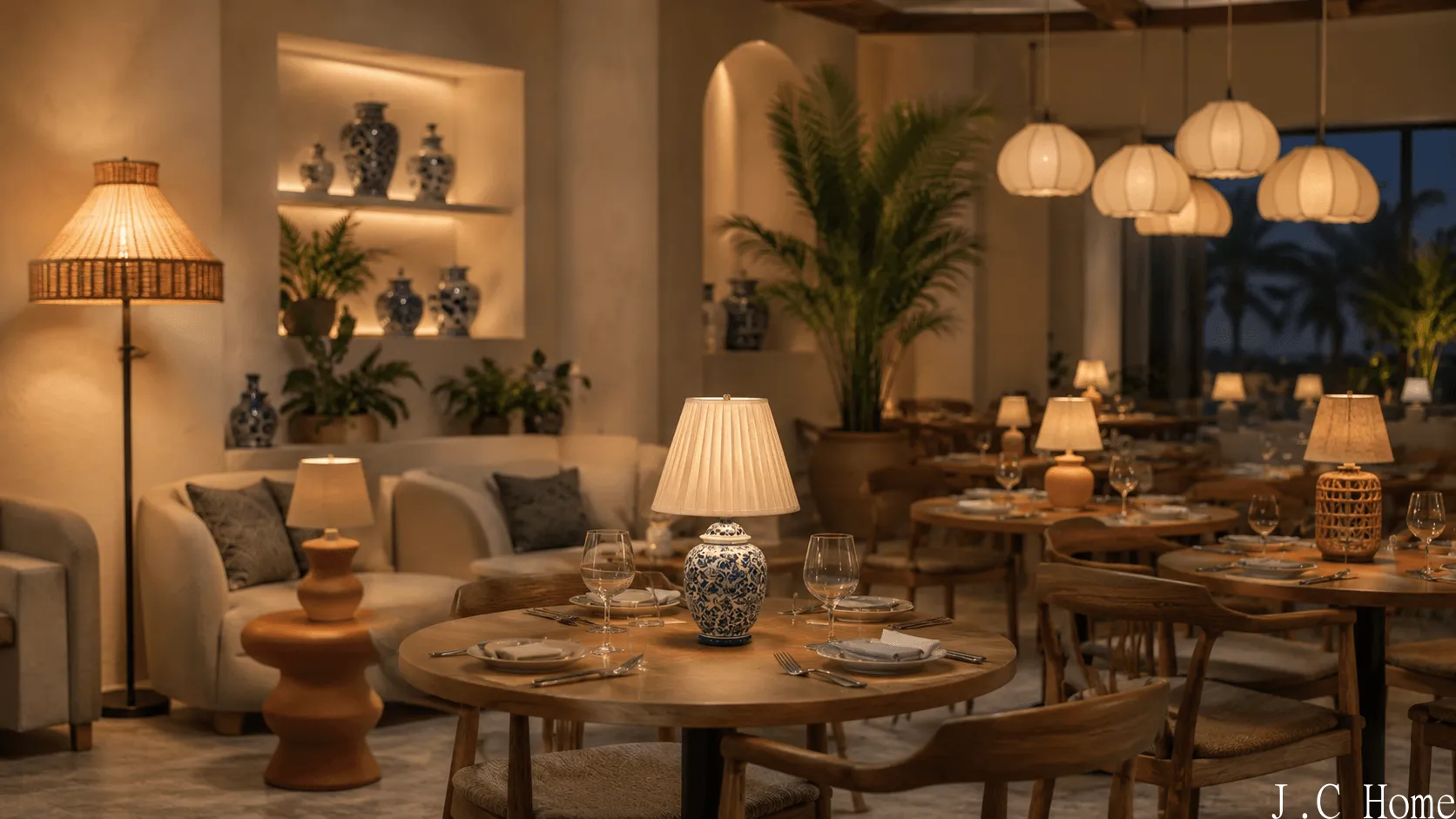
Custom Options That Matter in Decorative Lighting
A useful ornamental lighting manufacturer should offer more than a catalog list. It should help buyers adapt decorative lamps to the collection plan.
Custom options often include body color, surface texture, shade material, shade size, metal finish, cord, plug, label, carton mark, and packaging. However, buyers should confirm which options are available for each model. Some changes may affect structure, cost, testing, or production time.
| Custom Area | Possible Request | What to Prepare Before Inquiry |
|---|---|---|
| Product style | Modern, contemporary, classic, natural, luxury decorative lighting | Share mood boards, target room type, and reference style direction. |
| Body finish | Matte, glossy, textured, metallic, ceramic-look | Share color reference, finish sample request, and target quantity. |
| Shade design | Fabric shade, color, size, shape, trim | Share shade size request and room lighting effect. |
| Electrical details | Plug, voltage, driver, switch, dimming, battery | Share target market and compliance requirements. |
| Packaging | Retail box, export carton, label, carton mark | Share sales channel, shipping method, and display needs. |
| Collection planning | Table lamp, floor lamp, pendant, rechargeable lamp set | Share SKU count, style range, and replenishment plan. |
Quality and Packaging Checks Before Repeat Orders
Quality control should not start after mass production. Buyers should define the key checks during sample review.
For decorative lighting, buyers should check surface finish, shade shape, base stability, hardware fitting, color consistency, carton protection, labeling, and electrical configuration. In addition, buyers should confirm how fragile materials will be protected during export shipping.
Packaging is especially important for ceramic-style lamps, glass details, fabric shades, and mixed-material designs. A beautiful decorative lamp can still create after-sales problems if the carton does not protect the body, shade, base, and hardware.
Sample approval always means repeat orders will match perfectly. False
A sample helps confirm direction, but buyers still need agreed checks for color, finish, shade shape, hardware, labels, and carton protection during repeat production.
Packaging should be reviewed as part of product development. True
Decorative lighting often combines fragile bodies, shades, and hardware. Packaging review helps reduce damage risk and supports smoother retail, catalog, or project delivery.
What to Send When Requesting a Quote
A clear inquiry helps a decorative lamp supplier respond faster and more accurately. Buyers should avoid sending only one product image with the question “How much?” because the supplier still needs context.
Before contacting JC Home Decor, buyers can prepare the information below and send it through the Contact Us page.
| Inquiry Information | Why It Helps |
|---|---|
| Product type | It tells the supplier whether you need table lamps, floor lamps, rechargeable lamps, or ceiling pendants. |
| Target market | It helps confirm plug, voltage, labeling, and compliance discussion. |
| Application scene | It helps match products to homes, hotels, restaurants, showrooms, or retail stores. |
| Style direction | It helps the supplier suggest modern, contemporary, natural, or luxury decorative lighting options. |
| Quantity range | It helps the supplier judge production and pricing direction. |
| Custom requirements | It helps confirm finish, shade, label, packaging, or electrical changes. |
| Packaging needs | It helps plan carton protection, retail display, and shipping requirements. |
| Timeline | It helps align sampling, production, and delivery planning. |

FAQ
What is a decorative lighting supplier?
A decorative lighting supplier provides lamps and fixtures that support both function and interior style. The supplier may offer table lamps, floor lamps, rechargeable lamps, ceiling pendants, and custom options for different spaces.
How is a decorative lighting wholesaler different from a decorative lamp supplier?
A decorative lighting wholesaler usually focuses on bulk supply and collection planning. A decorative lamp supplier may focus more on specific lamp models, custom details, or project support. In practice, buyers should compare product range, customization, and quality control.
Can JC Home Decor support modern decorative lighting collections?
JC Home Decor offers lighting categories including table lamps, floor lamps, rechargeable battery lamps, and ceiling pendants. Buyers can discuss color, finish, shade, packaging, and electrical details based on project needs.
What should interior design distributors confirm before ordering?
Interior design distributors should confirm style direction, product application, material, finish, target market, electrical configuration, packaging, and repeat supply plan. They should also confirm compliance needs before placing repeat orders.
Are rechargeable lamps suitable for restaurants and cafés?
Rechargeable lamps can be useful for flexible table settings, restaurants, cafés, lounges, and events. Buyers should confirm battery configuration, charging method, dimming option, and target market requirements before ordering.
Can one supplier provide table lamps, floor lamps, and pendants in one collection?
Some suppliers can support multiple lighting categories. JC Home Decor has product categories for table lamps, floor lamps, rechargeable battery lamps, and ceiling pendants, so buyers can discuss coordinated collection planning.
Should buyers ask for CE, RoHS, or UL information?
Yes. Buyers should ask which requirements apply to the exact product and target market. However, they should not assume one mark or test covers every configuration, material, plug, driver, battery, or market.
What details should buyers prepare for custom decorative lighting?
Buyers should prepare product type, style direction, target market, quantity range, material request, finish reference, shade needs, packaging requirements, and compliance questions. This information helps the supplier review feasibility.
Conclusion
A decorative lighting supplier should help buyers make practical decisions about product type, style direction, material, customization, compliance, packaging, and repeat orders. For interior design distributors, home decor catalog buyers, retailers, and hospitality projects, the right supplier discussion should connect design with real purchasing needs.
Buyers can start by reviewing JC Home Decor’s Lighting collection, including table lamps, floor lamps, rechargeable battery lamps, and ceiling pendants. For custom decorative lighting requirements, buyers can send project type, quantity, target market, style preference, material request, and packaging needs through the JC Home Decor quote page.
References
-
European Commission — CE marking — This source supports the explanation that CE marking relates to applicable safety, health, and environmental protection requirements in the EEA.
↩ -
European Commission — Low Voltage Directive — This source supports the recommendation to confirm voltage range and electrical safety scope for lighting products.
↩ -
UL Solutions — Lighting Standards and Certification — This source supports the buyer checklist item about lighting safety testing and certification discussions for lamps and luminaires.
↩